NiteAgent ⚡ — AI agents & automation ⚙️ Production patterns & real code
🧠 MCP servers, multi-agent orchestration, SDK comparisons, and agent engineering — practical guides with deployable patterns
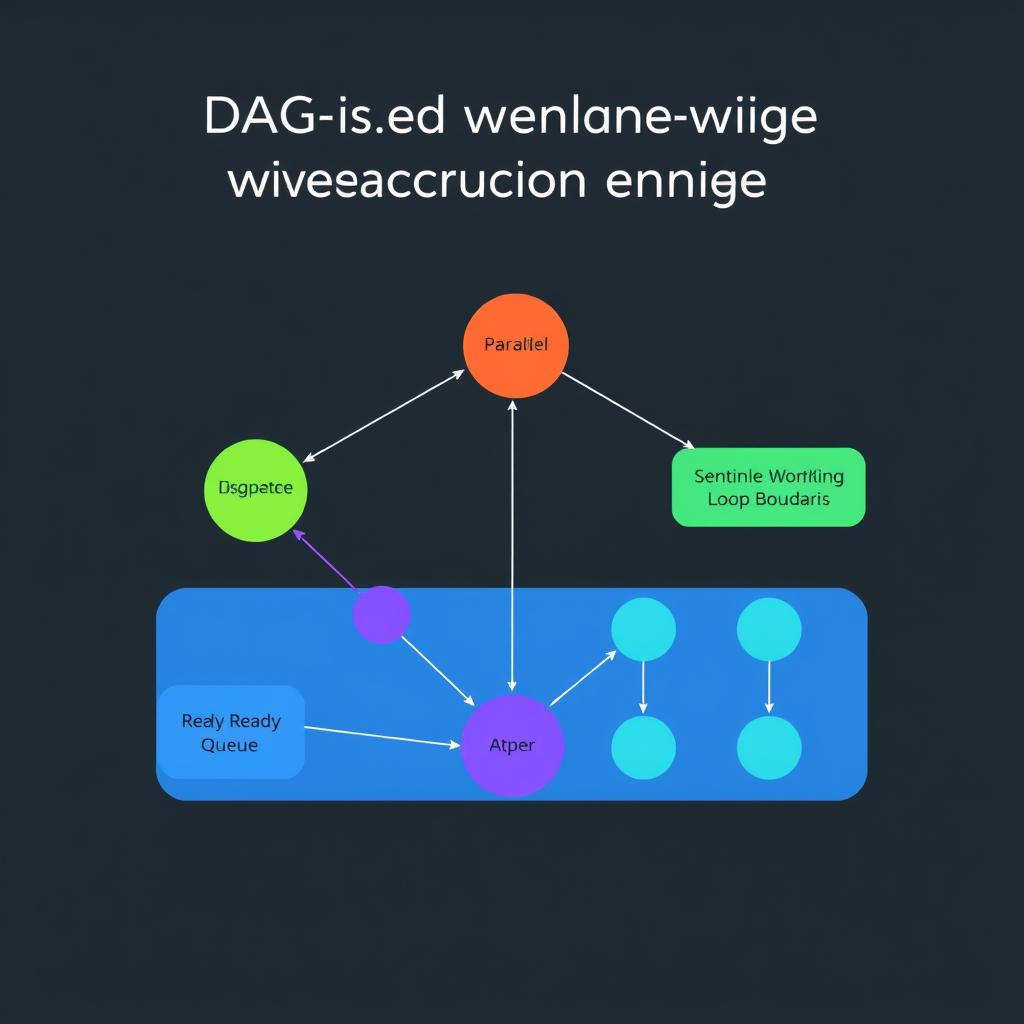
Featured Inside Sim Studio's DAG Executor: Building a Production-Grade Workflow Engine for AI Agents
Deep dive into Sim Studio's DAG-based execution engine — 28.7k stars, native parallelism via ready queue, sentinel-based acyclic loops, BlockHandler dispatch pattern, variable resolution hierarchy, human-in-the-loop snapshots, and edge-level branch pruning. Architecture analysis with TypeScript patterns and production tradeoffs.
-
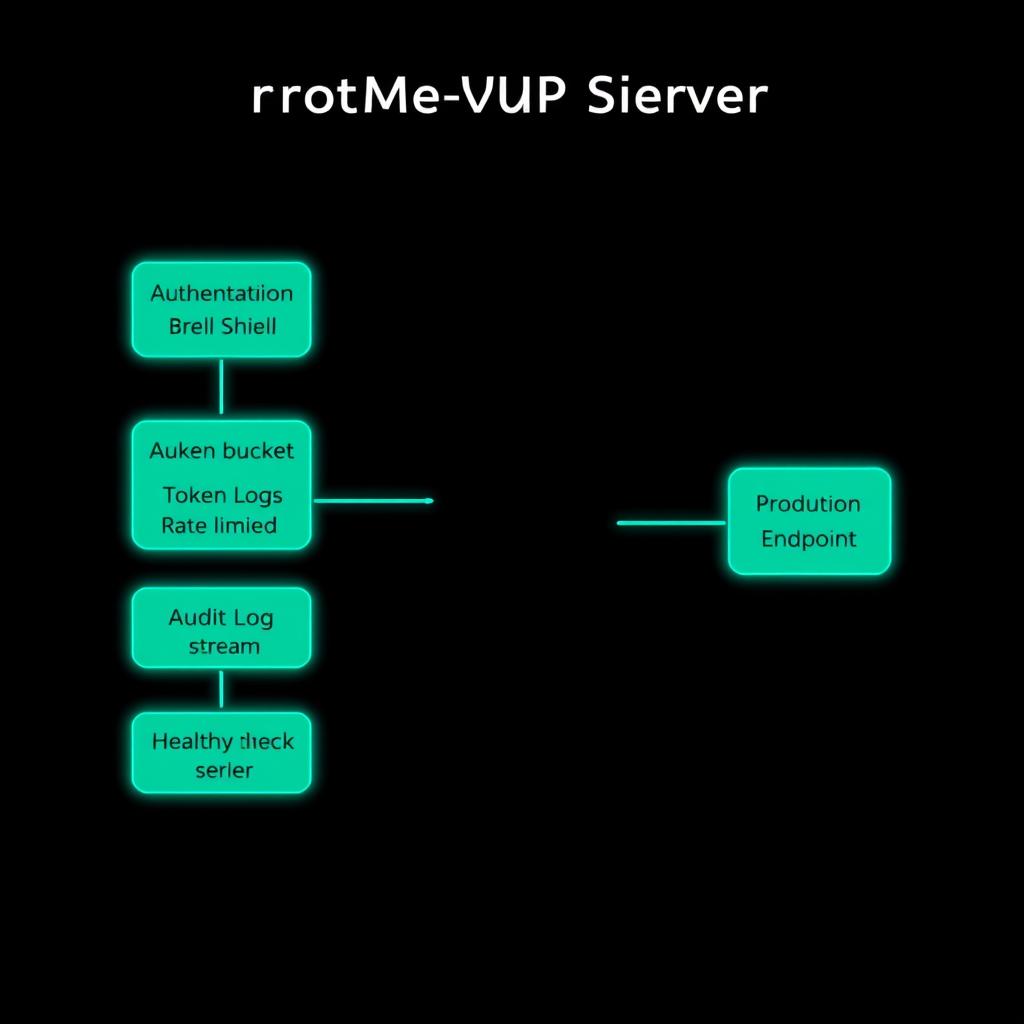
MCP Server Production Deployment: Auth, Rate Limiting, and Monitoring
Move past local dev and deploy MCP servers that handle auth, rate limiting, audit logging, and health checks. FastMCP implementation with production patterns.
-
Building Production Agents with the OpenAI Agents SDK — A Practical Guide
Step-by-step guide to building production-ready AI agents with the OpenAI Agents SDK: function tools, hosted tools, handoffs, guardrails, and MCP integration with working code examples.
-
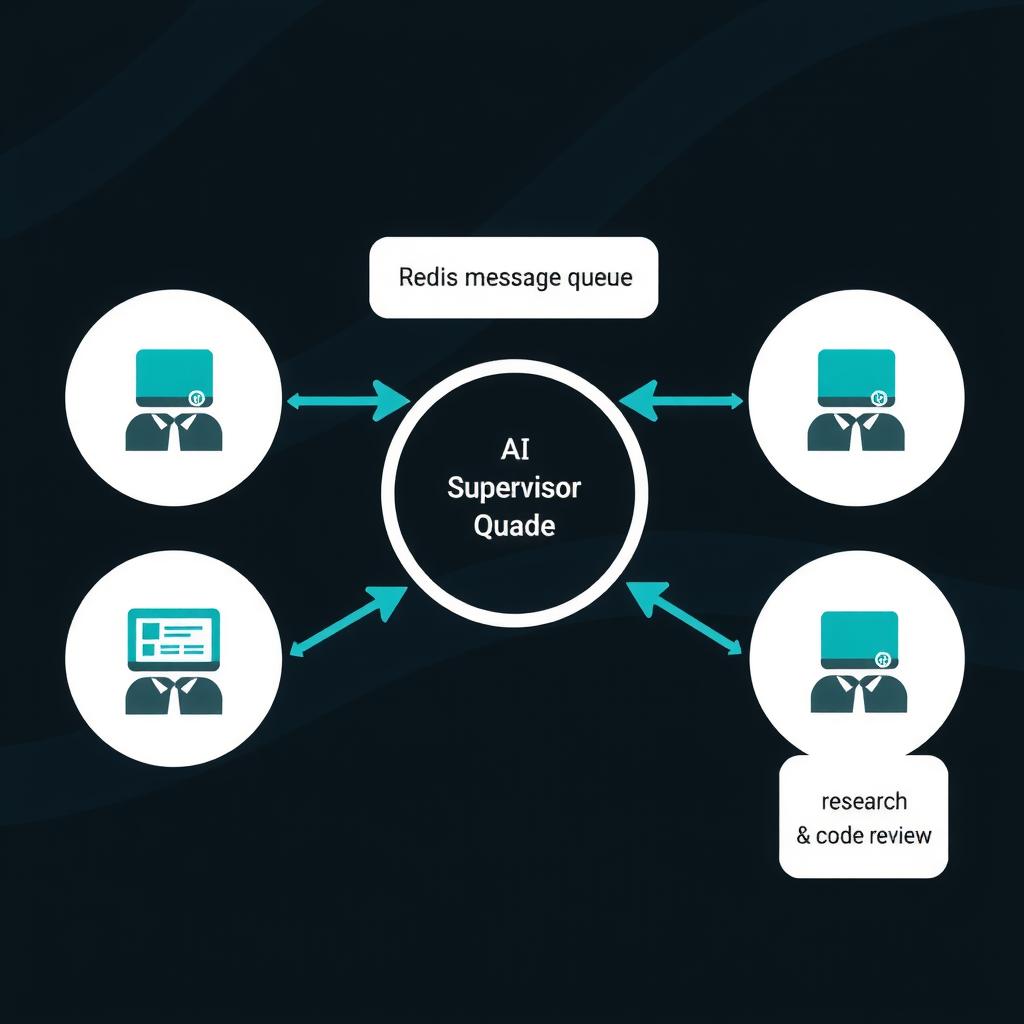
Swarms: Enterprise-Grade Multi-Agent Orchestration Framework Deep Dive
Complete walkthrough of the Swarms framework by kyegomez — 6.8k stars, Apache 2.0, prebuilt architectures for sequential, concurrent, hierarchical, and graph-based multi-agent coordination. Fifteen code examples, production deployment patterns, and comparison with LangGraph and CrewAI.
-
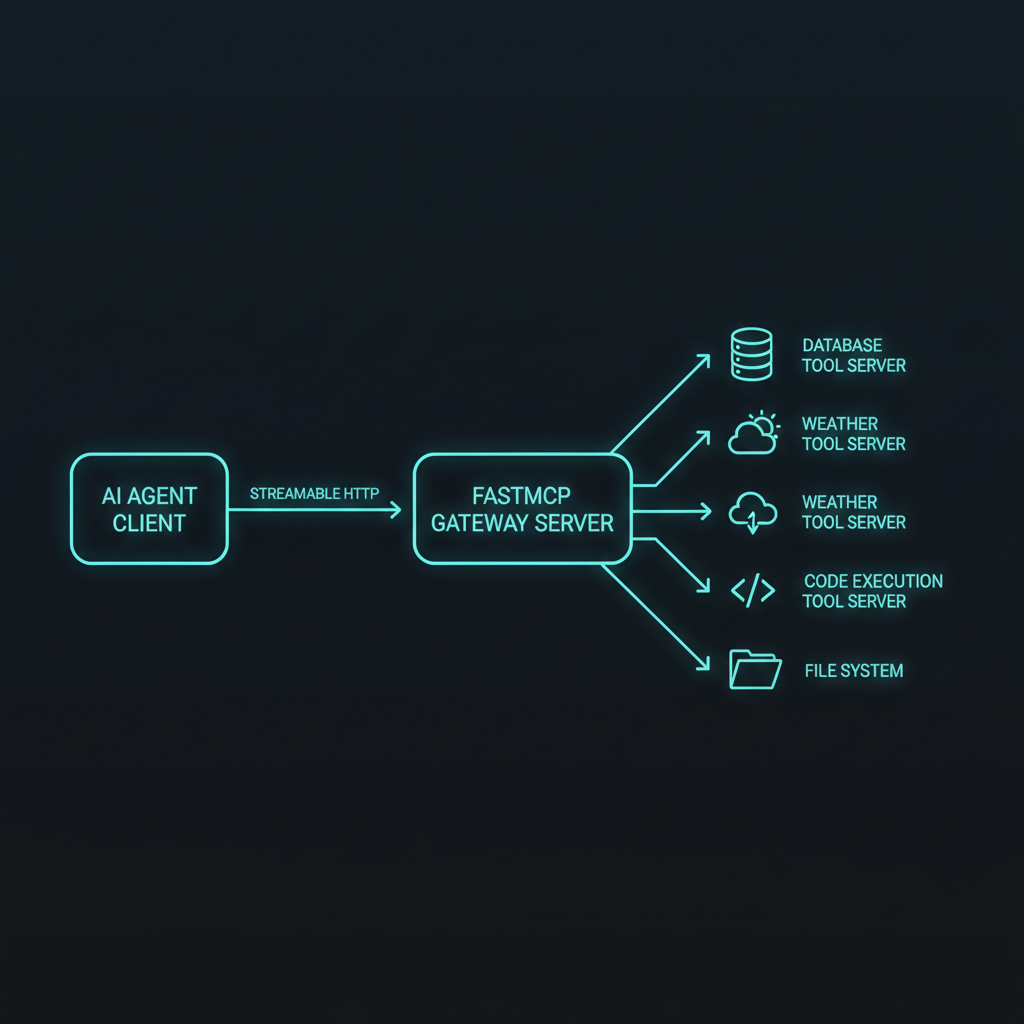
Building a Production MCP Tool Gateway with FastMCP 3.x — A Build Log
Architecture, implementation, and deployment of a multi-tool MCP gateway server using FastMCP 3.x with Streamable HTTP, OAuth, and code mode. Includes working code examples and lessons from production.
-
Custom Coding Subagents: Build Specialized AI Helpers for Claude Code and Codex CLI
A practical guide to building custom subagents for Claude Code and Codex CLI — with working templates for code review, test writing, security auditing, and exploration.
-
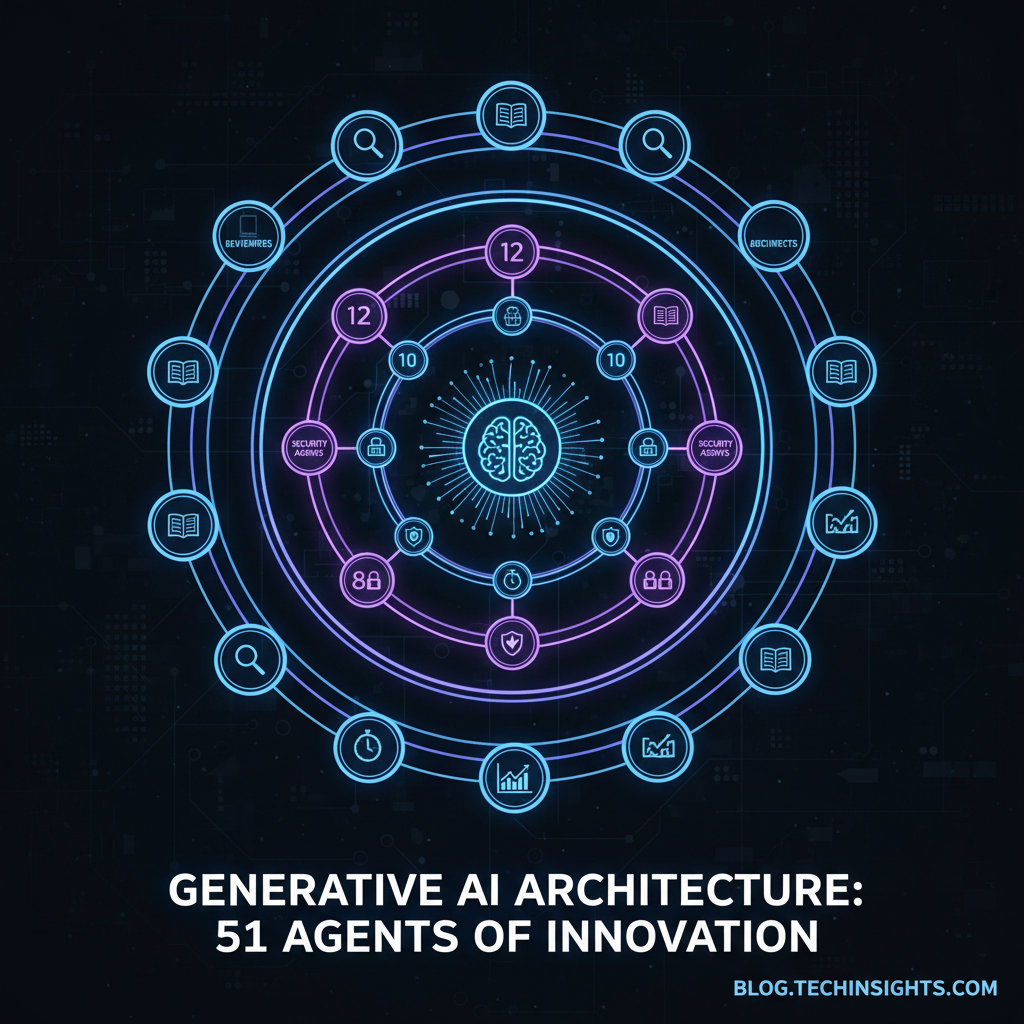
51 Agent System Prompts: What Every's Compound Engineering Architecture Teaches Us
Deconstructing Every Inc's 51 specialized agent definitions — how they structure review, research, architecture, and security agent prompts, and what AI agent developers can learn from their architecture.
-
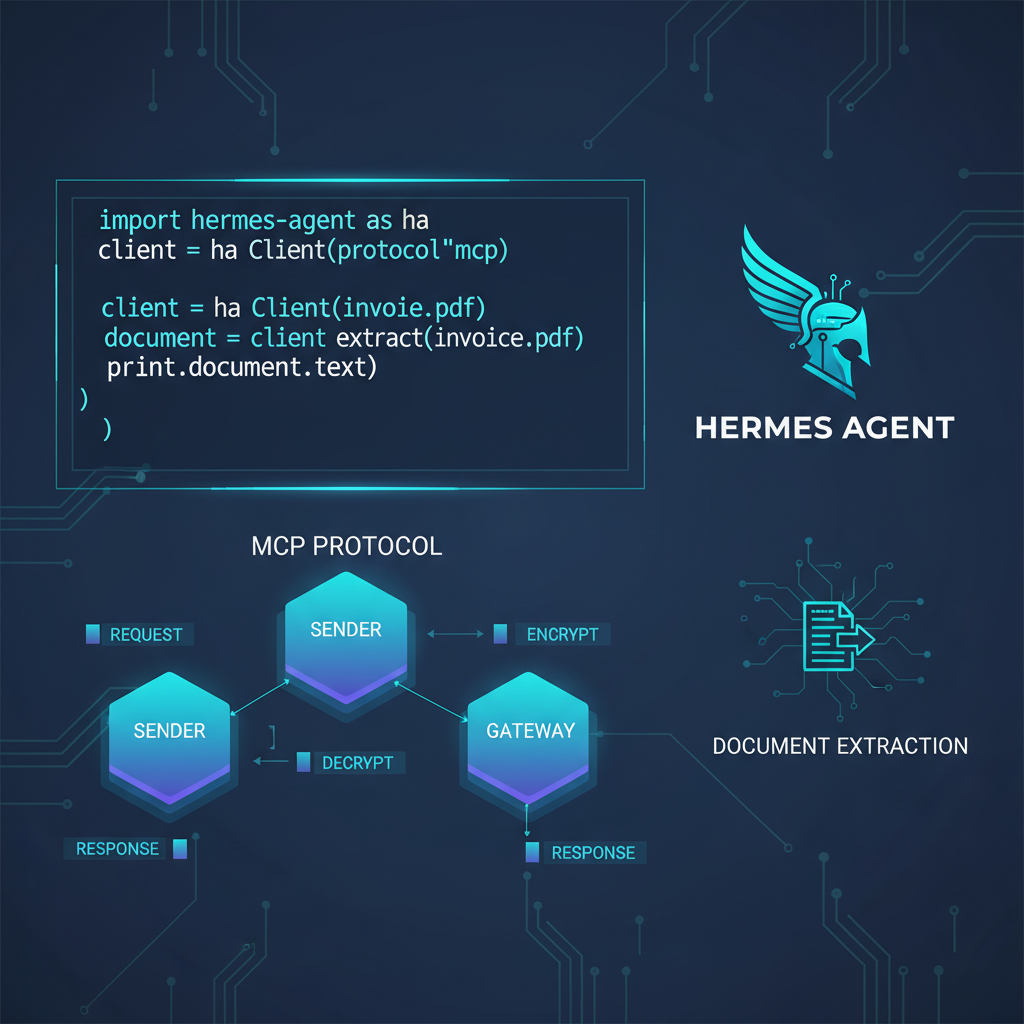
Build an MCP PDF Extractor Server for Hermes Agent
Step-by-step guide to building a custom MCP server with FastMCP that extracts text from PDFs and connects it to Hermes Agent
-
Astron Agent: iFlyTek's Open-Source Enterprise Multi-Agent Orchestration Platform Goes Apache 2.0
Deep dive into Astron Agent — iFlyTek's open-source polyglot microservices platform for building production SuperAgents. Architecture walkthrough, deployment patterns, RPA integration, and comparison with LangGraph, CrewAI, and AutoGen.
-
open-multi-agent: TypeScript-Native Multi-Agent Orchestration From Goal to Task DAG
Walkthrough of open-multi-agent — a TypeScript-native multi-agent orchestration framework that auto-decomposes goals into task DAGs. Architecture patterns, MCP integration, production deployment with temoda, and fifteen code examples across three execution modes.
-
Microsoft Agent Framework 1.0: Building and Deploying Multi-Agent Workflows in Production
Production guide to Microsoft Agent Framework 1.0 — the unified SDK that replaces Semantic Kernel and AutoGen. Covers architecture, graph workflows, checkpointing, middleware, MCP/A2A protocol support, and deployment patterns with Python and .NET code examples.
-
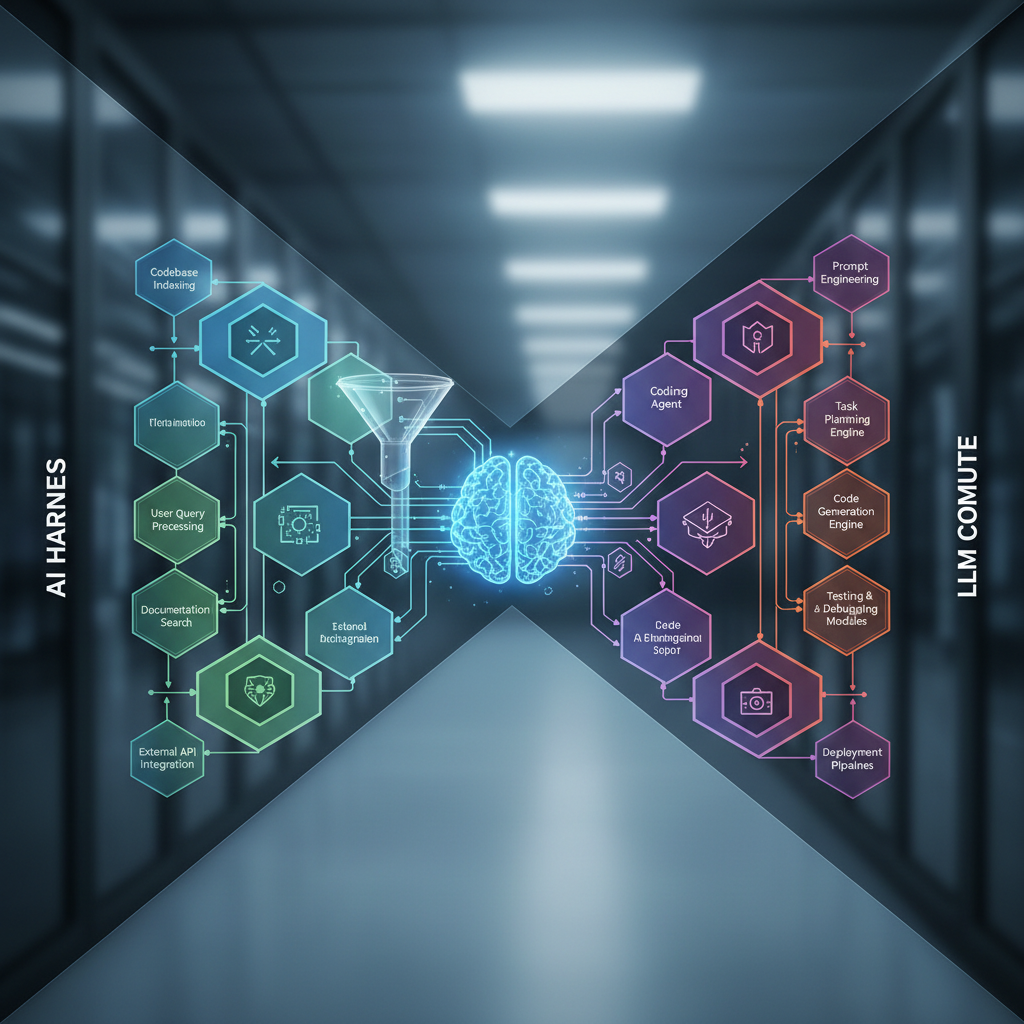
AI Harness vs LLM Compute: Why Claude Code's Superpower Isn't the Model
Claude Code's effectiveness comes from its harness — context optimization, chunked execution, MCP orchestration, and tool-use patterns — not from raw compute. A deep dive into what actually makes AI coding agents productive.
-
Build a Self-Hosted AI Gateway with LiteLLM Proxy
Step-by-step guide to deploying LiteLLM proxy with Docker — virtual keys, fallbacks, rate limits, and cost tracking for your team's LLM calls
-
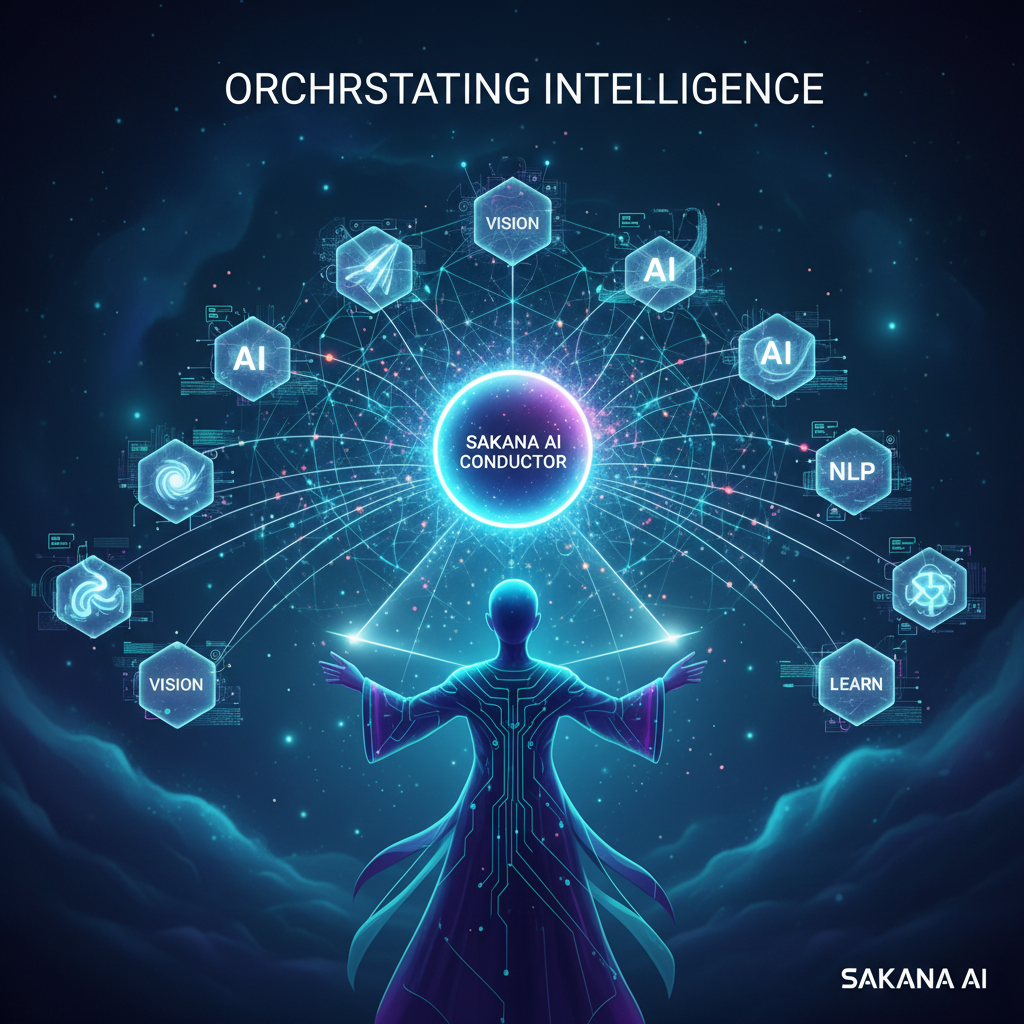
Sakana AI's RL Conductor: A 7B Model That Outperforms GPT-5 by Orchestrating AI Teams
Sakana AI's RL Conductor — a 7B model trained via reinforcement learning to dynamically orchestrate GPT-5, Claude Sonnet 4, and Gemini 2.5 Pro — achieves 77.27% average across benchmarks, surpassing every individual worker. Accepted at ICLR 2026.
-
Build a CLI Agent with OpenAI Function Calling from Scratch
Build a working tool-using agent in 60 lines of Python using OpenAI's function calling API — no frameworks, no dependencies beyond the openai package.
-
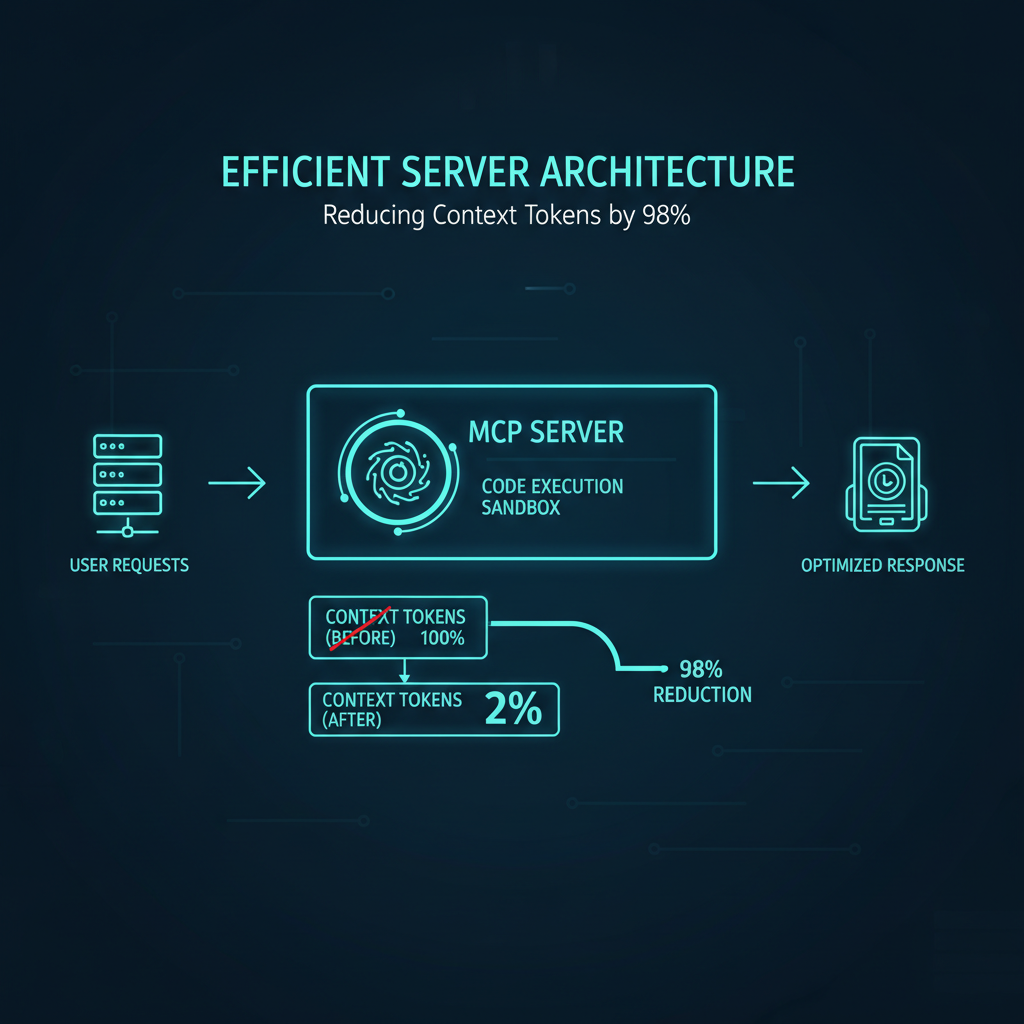
Build an MCP Server That Cuts Claude Code Context Consumption by 98%
Step-by-step guide to building code-execution MCP servers that use 98% fewer tokens than direct tool calls — with working examples in TypeScript and Python
-
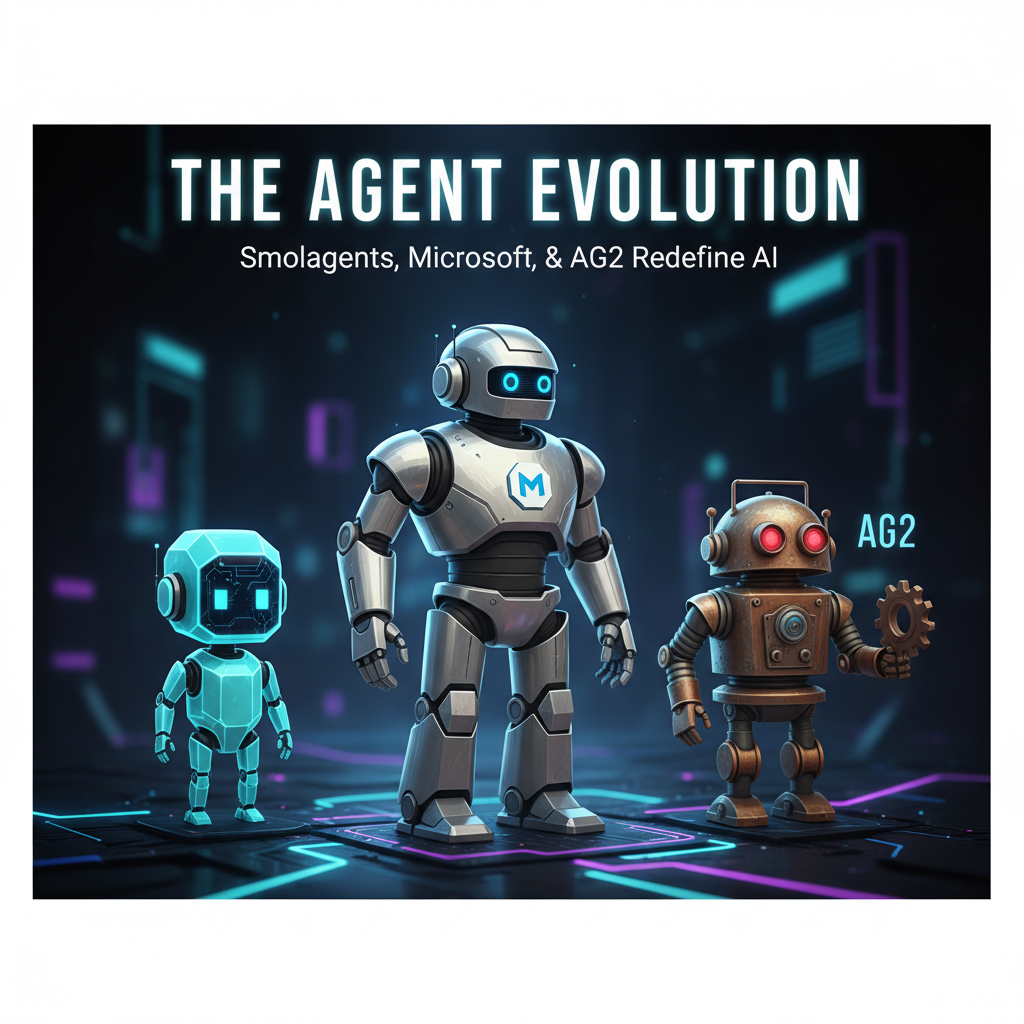
Smolagents vs Microsoft Agent Framework vs AG2: Open-Source Agent SDKs Compared in 2026
Side-by-side comparison of Hugging Face Smolagents, Microsoft Agent Framework 1.0, and AG2 (AutoGen fork). Benchmarks, architecture philosophy, pricing, and decision guide for choosing the right open-source agent SDK.
-
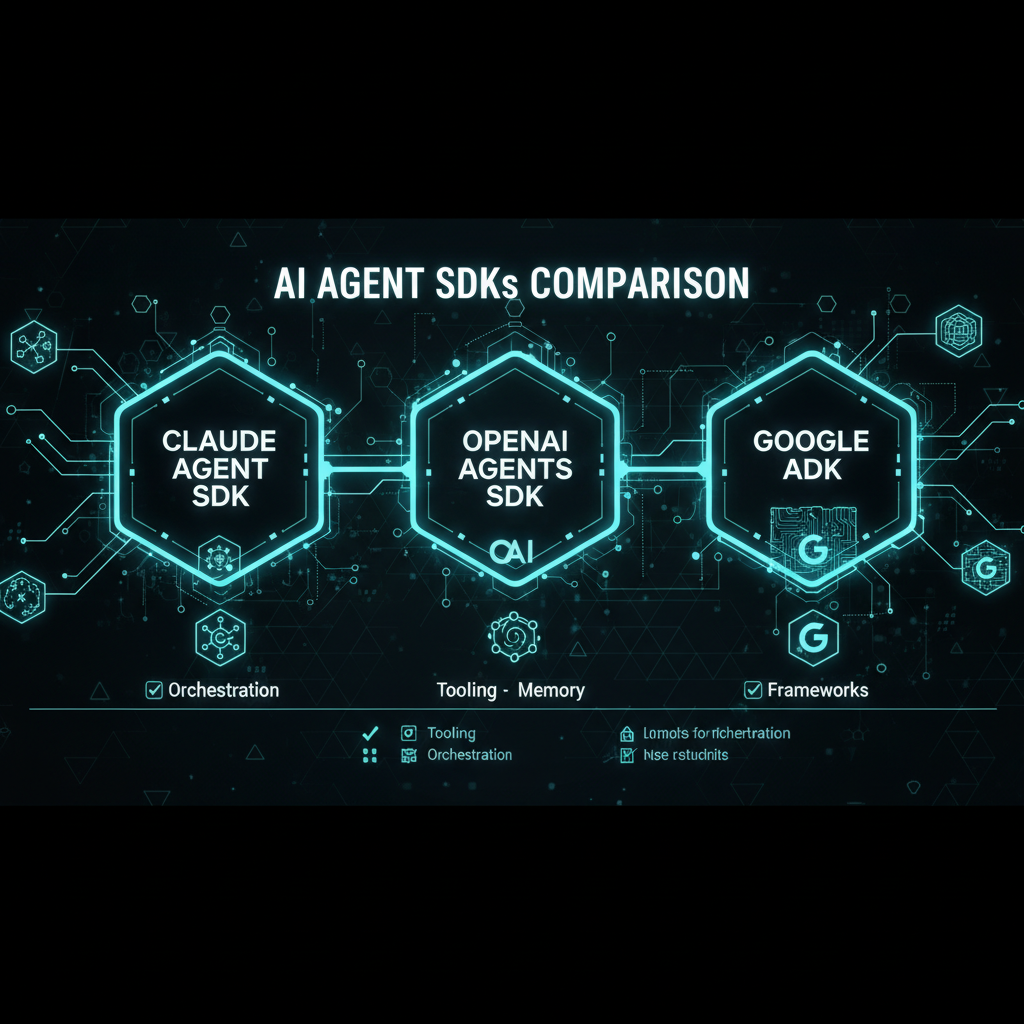
Claude Agent SDK vs OpenAI Agents SDK vs Google ADK: The 2026 Vendor SDK Showdown
Head-to-head comparison of Anthropic Claude Agent SDK, OpenAI Agents SDK, and Google ADK in 2026. Architecture, pricing, production readiness, and when to pick each.
-
The Architecture of the Blog Empire Dashboard: Monitoring 6 Sites with Python's stdlib Only
How a 681-line Python dashboard monitors 6 blogs, 252 cron jobs, 144+ posts, and 72 quality scores across SQLite + JSON APIs — all with zero pip dependencies.
-
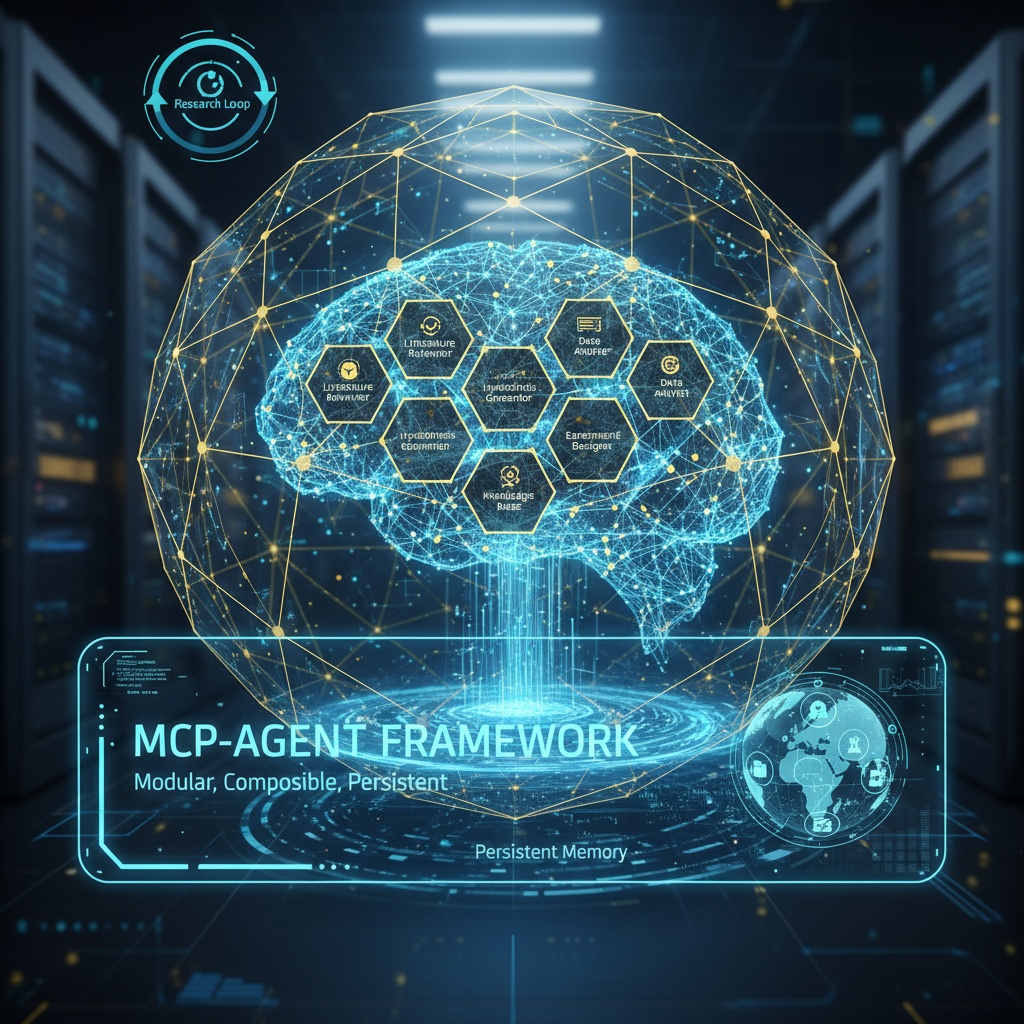
Building a Durable Multi-Agent Research System with mcp-agent
A technical build log of implementing Anthropic's orchestration patterns using the mcp-agent framework — real code, architecture decisions, and production pitfalls from wiring up a deep research system.
-
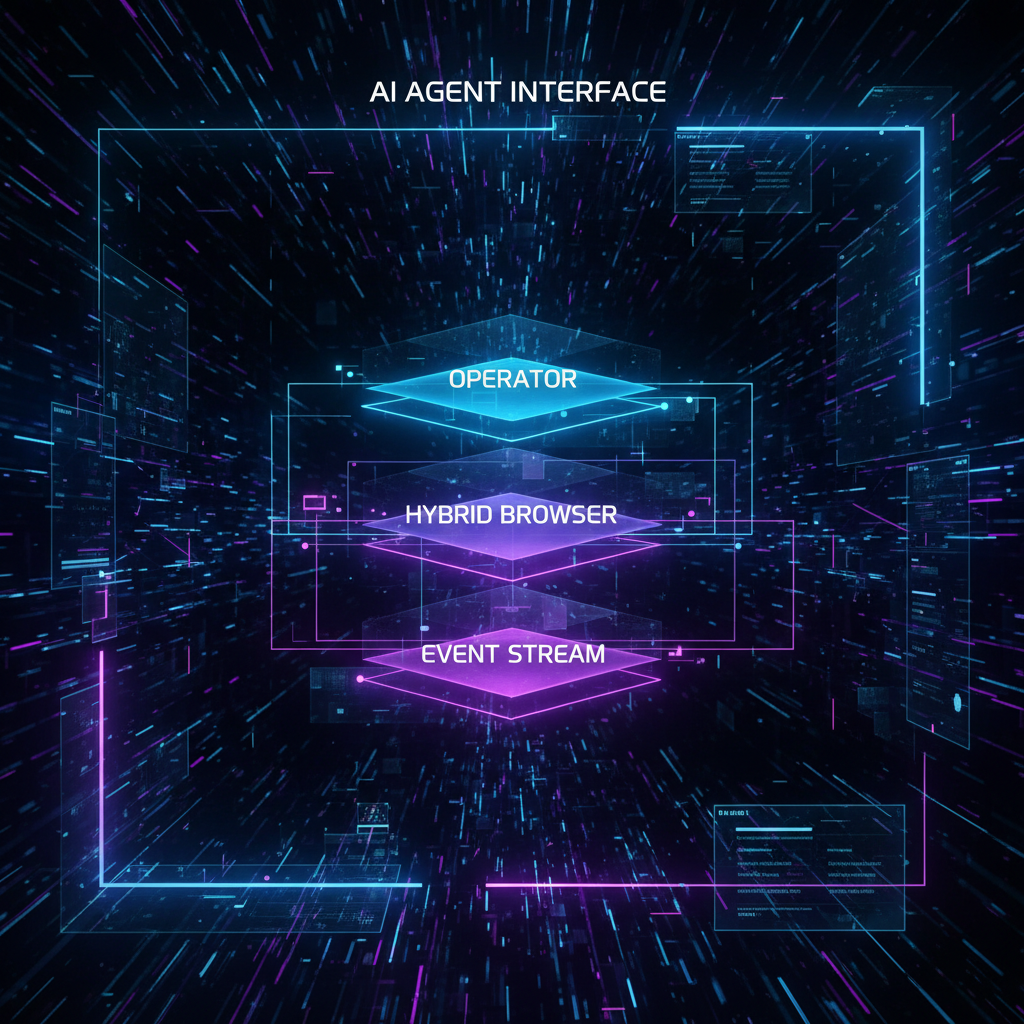
UI-TARS: Inside ByteDance's 35K★ Multimodal Agent Stack
A technical deep-dive into UI-TARS-desktop and Agent TARS CLI — the Operator pattern, hybrid browser strategy, Event Stream protocol, and what makes ByteDance's 35K★ multimodal agent stack worth studying.
-
Agent Washing in 2026: The Hype Detection Guide Every Engineer Needs
Only 17% of organizations have deployed AI agents — yet thousands of vendors claim to offer them. An engineer's guide to detecting agent washing in 2026.
-
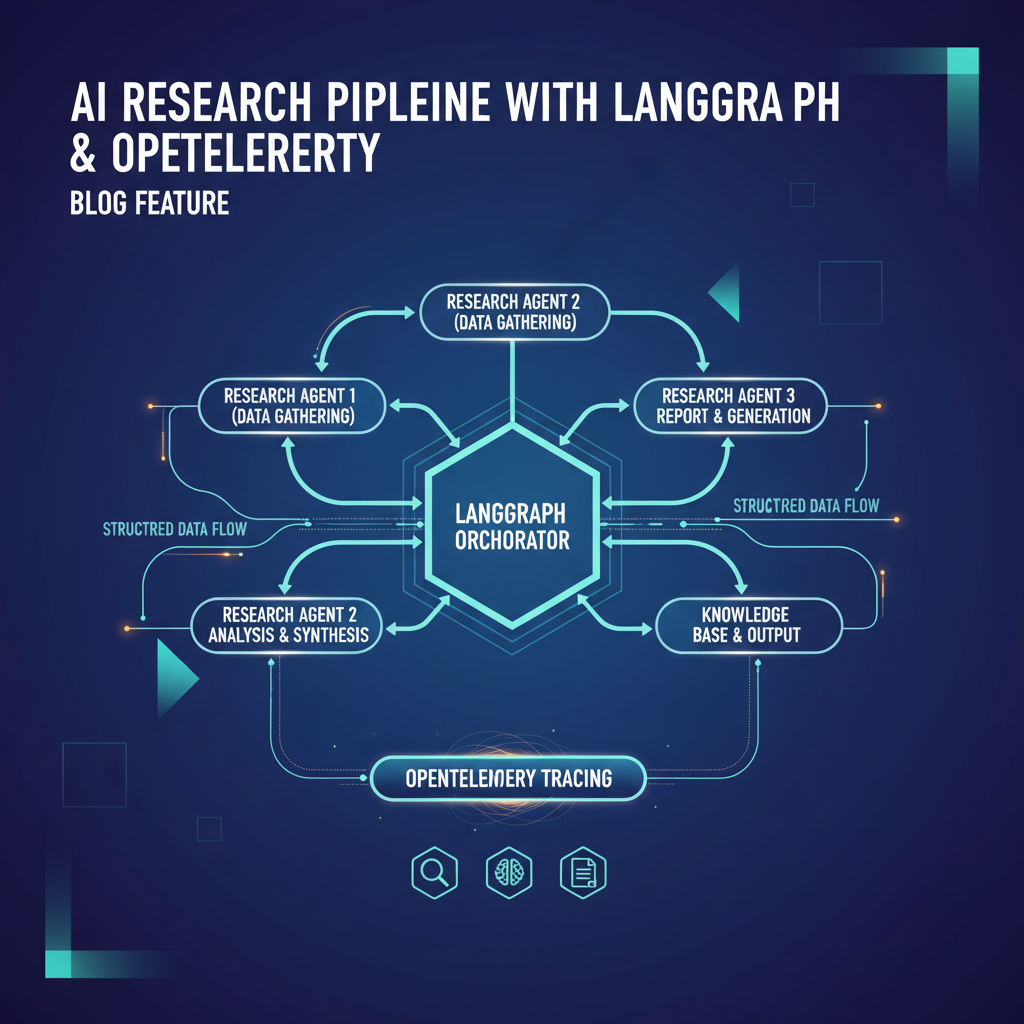
Building a Production Research Agent with LangGraph and OpenTelemetry
Step-by-step tutorial on building a resilient, observable research agent using LangGraph's structured state, Pydantic outputs, and OpenTelemetry tracing via Langfuse. Includes error recovery patterns and production deployment.
-
The Agent Evaluation Stack in 2026 — From Benchmarks to Production Verification
In 2026, AI agent evaluation uses open-source tools: AgentBench pioneered task-completion; Cua-Bench (17k stars) tests GUI agents with recorded…
-
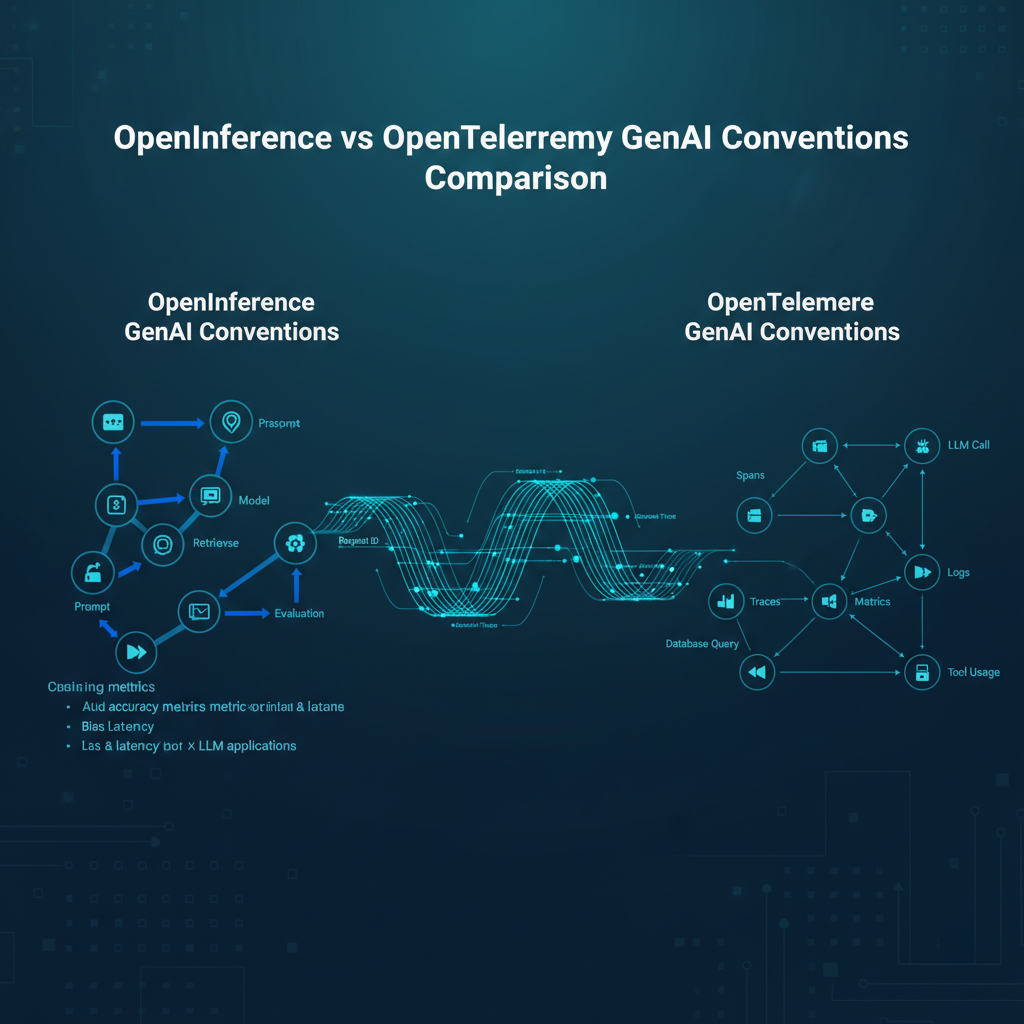
OpenInference vs OpenTelemetry GenAI Conventions — Choosing Your Agent Trace Format
FINAL SUMMARY: The article compares OpenInference vs. OTEL GenAI conventions for tracing AI agents, recommending OpenInference due to richer LLM metadata…
-
The AI Agent Safety Wake-Up Call: Production Disasters, Broken Benchmarks, and What to Do About It
An agent deleted a production database. Every major benchmark is exploitable. Frontier models violate ethical constraints 30-62% under KPI pressure. Here's the safety toolkit that actually works in 2026.
-
Claude Code Built a Real iPhone App with 1500+ Users — Case Study
A developer used Claude Code to build LOC8 — an iPhone app, Apple Watch app, and landing page — entirely with AI. The app now has 1,500+ users, $1.5k+ revenue in 2 months, and a 25% App Store conversion rate. This is the real validation that AI coding tools produce shippable products.
-
Multi-Modal AI Agents in Production: Architecture Patterns for 2026
By mid-2026, GPT-5.4 (1M context), Claude Opus 4.6 (1M), Gemini 2.5 (2M), Llama 4 (10M), and Qwen 3 VL handle multiple modalities. Scores: GPT-5.4 75%…
-
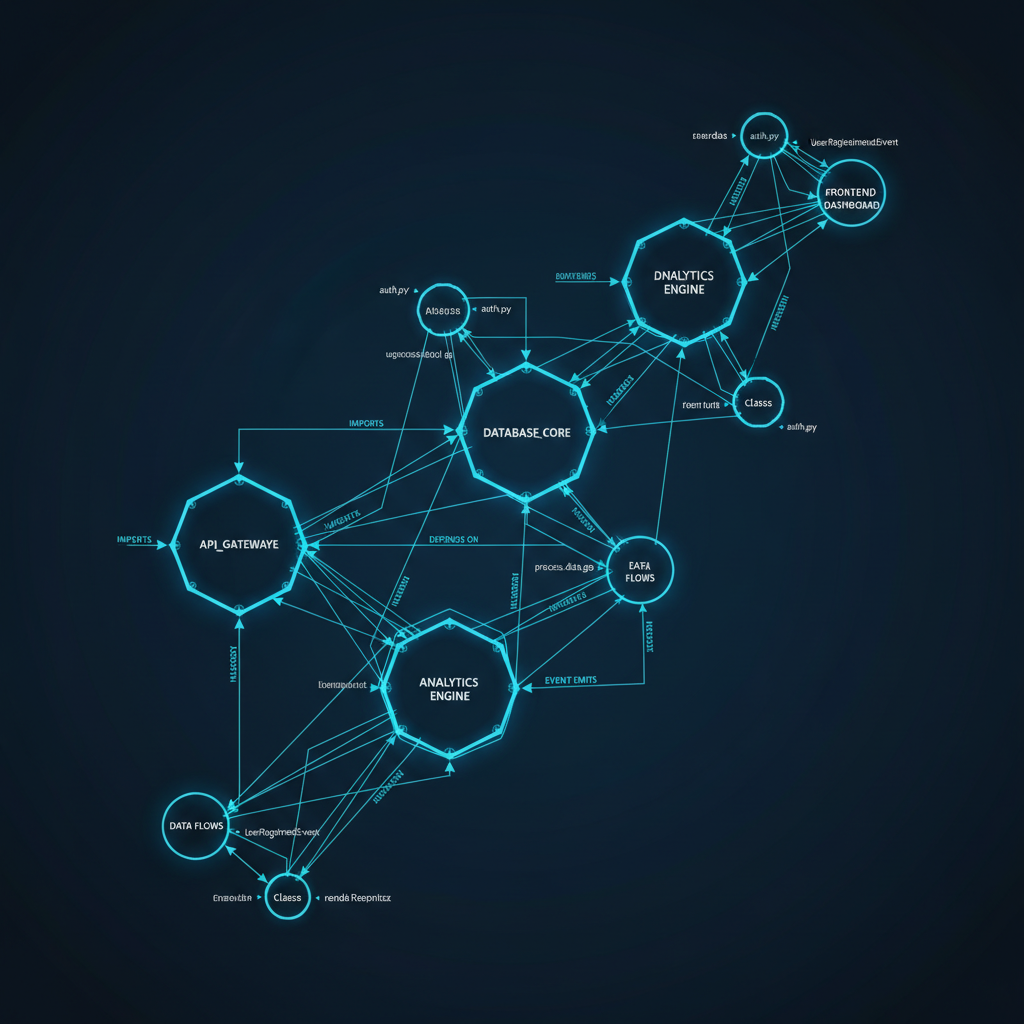
Codebase Graphs: How TheAuditor and Brokk Fix AI Agent Context Collapse
AI coding agents hallucinate due to context collapse—data access problems, not model quality. TheAuditor (SQLite graph DB, triple-entry fidelity, cross-microservice taint tracking) and Brokk (in-memory AST cache, 1M LOC/minute) both implement pre-investigation: agents query codebase graphs before writing code. TheAuditor's "crash on silent data loss" contrasts with Brokk's faster but less framework-specific AST approach. The pattern—deterministic code structure access—is durable, though both ...
-
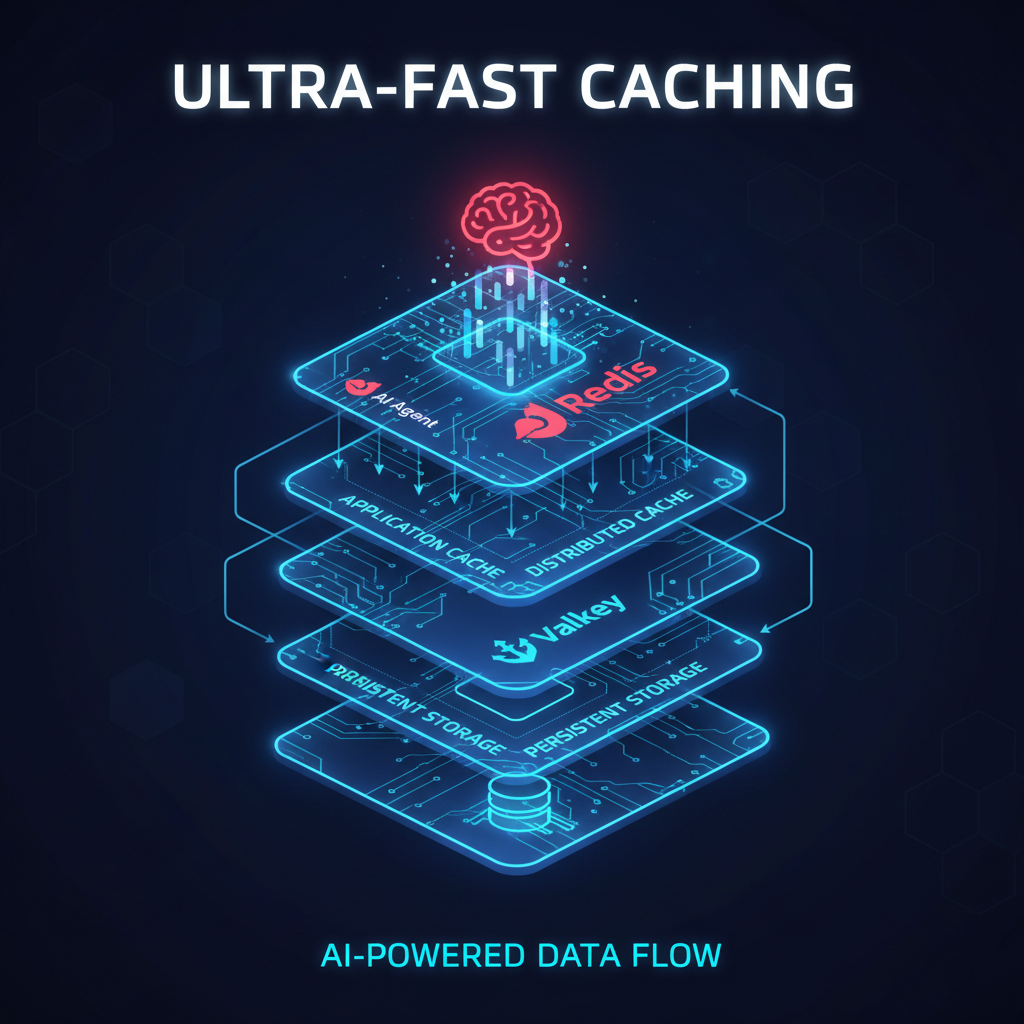
Multi-Tier Caching for AI Agents in Production: The 2026 Guide
Production AI agents make hundreds of calls daily; only 23% of teams cache beyond LLM. Two 2026 projects: agent-cache (multi-tier, Valkey/Redis, no modules, adapters, OpenTelemetry, cluster mode) and Calfkit (event-driven on Kafka). Three tiers: LLM (40-60% cost cut, 5-15min TTL), tool (30-50% cost cut, per-tool TTLs), session state (200-500ms latency drop, persisted snapshots). Sources: n8n 2025 report, HN (18 pts), Calfkit GitHub.
-
The Agent Tool Governance Stack: 5 Open Source Tools That Protect Production AI Agents
An emerging ecosystem of open-source tools—Cupcake (OPA Rego policy), Enforra (YAML SDK), Cordum (agent control plane with Edge firewall), AgentMint (OWASP compliance), and OQP (verifiable attestations)—enforces deterministic guardrails around probabilistic LLM tool calls, addressing a governance gap where prompt-based safety fails 26.67% of the time. Cupcake intercepts agent events at the harness level with Rego policies outside the context window; Enforra wraps callbacks with four decisions...
-
How ML Intern's Doom Loop Detection Stops AI Agents From Spinning — And How You Can Use It
Doom loops repeat identical tool calls with same results. HuggingFace's ml-intern doom_loop.py uses two algorithms (identical consecutive, repeating sequence) on ToolCallSignature with normalized args and result hash. Adapted cron watchdog for 86+ jobs adds content fingerprinting, differential reporting, SILENT detection, corrective prompt, and detect_oscillation. It excludes deterministic no_agent jobs. Auto-fix loops escalate from write_file to rm -rf. LangChain survey: 57% use agents, 48% ...
-
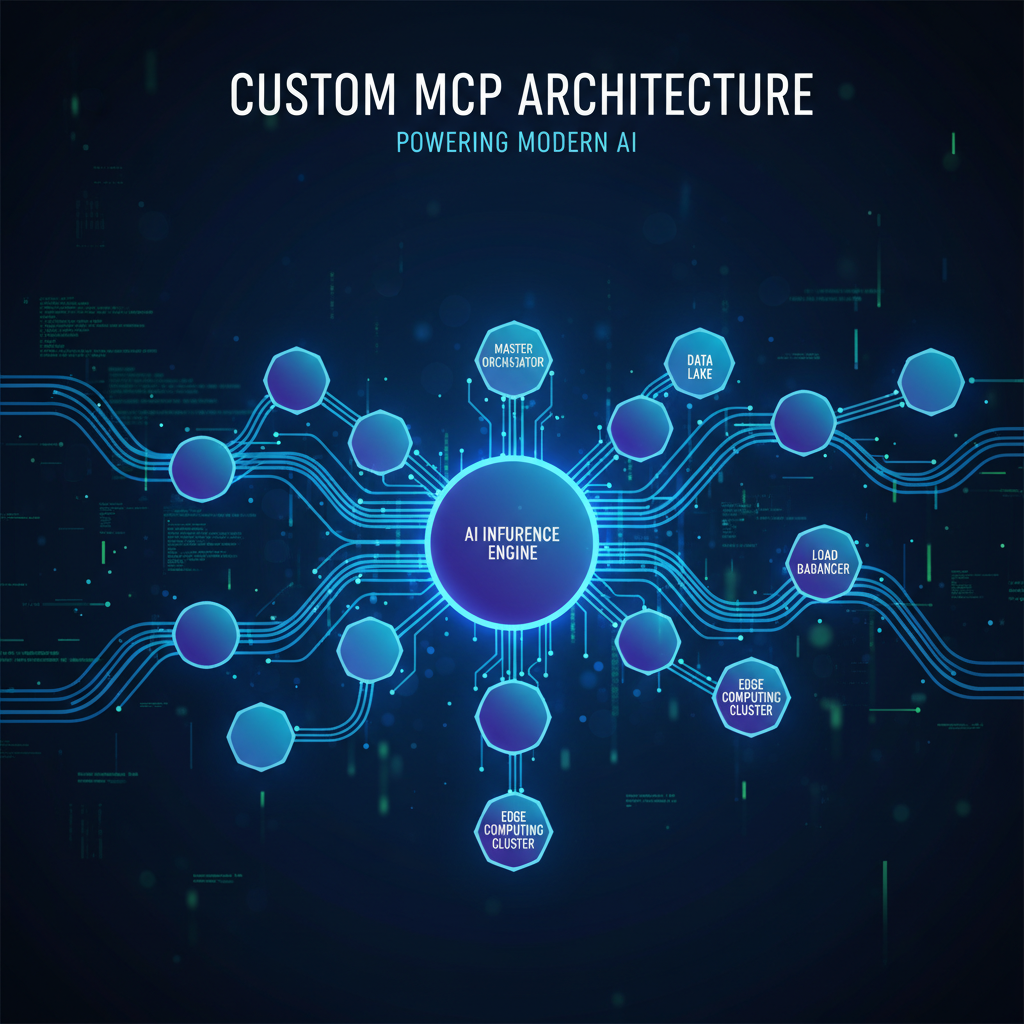
Building a Custom MCP Server for Your AI Agent
FastMCP's high-level Python SDK enables building MCP servers for AI agents, covering tools (shell commands, env reads), resources (URI-addressable config), and prompts (system audit, debug sessions) in under 100 lines. Setup uses uv, testing via MCP Inspector. Structured outputs with Pydantic improve agent reliability. Deployment patterns include local stdio, streamable HTTP, and Docker stdio, with the latter requiring interactive stdin for JSON-RPC. The complete example lives in the MCP Pyth...
-
MCP in 2026: The Protocol That Standardized AI Agent Tool Integration
MCP transitioned from an Anthropic experiment in late 2024 to an industry standard by 2026, with 97M+ monthly SDK downloads and backing from OpenAI, Google, Microsoft, and AWS. It was donated to the Linux Foundation's Agentic AI Foundation, co-founded with Block and OpenAI. The 2026 roadmap, led by David Soria Parra, targets enterprise readiness: audit trails, SSO authentication, gateway patterns, and configuration portability. Key technical milestones include async tasks, MCP Apps (tool-retu...
-
Source-Driven Development: Why Your AI Agent Fabricates Stats (and How to Stop It)
AI agents fabricate statistics: Vectara benchmark 3.3-14.3% hallucination (DeepSeek-R1 14.3%). CJR >60% incorrect (Grok-3 94%, Gemini 76%). BBC 20% factual errors; MIT finds 34% more confident when wrong. McKinsey reports 51% organizations experienced negative consequences from AI. Legal cases database exceeds 1,450. Stanford HAI found legal AI tools hallucinate 17-34% on challenging queries. ECRI #1 health tech hazard 2026. SDD (DETECT, FETCH, WRITE, CITE) uses a source hierarchy: official d...
-
Writing Effective Tools for AI Agents: What Production Teams Learned
Tool design is the single highest-leverage factor for agent performance, ahead of model choice. Anthropic's SWE-bench Verified improvement came from tool description refinements; LangChain reports 57% in production, yet 48% skip offline eval and 63% skip monitoring—companies like Lyft, Cisco, Toyota, Monday.com, and Cloudflare instead follow Anthropic's three-phase cycle: (1) local MCP prototype, (2) strong multi-step eval tasks (e.g., "schedule meeting with Jane and attach notes") with a whi...
-
Everything Claude Code: 182K Stars, 232 Skills, and What It Means for AI Agent Builders
ECC (Affaan Mohammedi, 182K+ GitHub stars) features 232 skills (engineering: TDD, spec-driven, incremental implementation, source-driven, context engineering; content & business: article-writing, content engine, market research, brand voice; operations: incident response, deployment pipeline) and 60 agents (chief-of-staff, loop-operator, harness-optimizer, code-reviewer with P0/P1/P2 severity, spec-writer). Skills embed anti-rationalization rules, source-driven development, and a five-level c...
-
Agent Engineering: The New Discipline Powering Production AI in 2026
LangChain’s 2026 State of Agent Engineering report reveals a new discipline—agent engineering—that bridges prototype-to-production gaps for LLM agents. 57% of organizations have agents in production, yet 48% skip offline evaluations and 63% skip online monitoring. The discipline rests on four pillars: observability, evaluation, guardrails, and iteration. Companies like Lyft, Cisco, Toyota, Monday.com, Cloudflare, Clay, Vanta, and LinkedIn are pioneering these practices, often building platfor...
-
Build a Custom MCP Server in Python: Step-by-Step Tutorial (2026)
MCP's 97M monthly downloads and 5,800+ servers highlight its growth. This 72-line FastMCP 3.0 server uses MarkItDown with extension whitelist, 10MB limit, and 50K char truncation. read_document has readOnlyHint. Resources show recent documents; prompts debug errors. Production adds OpenTelemetry, path traversal, rate limiting. Use uv package manager; connect via Claude Desktop config. Test with MCP Inspector.
-
WebMCP: Google's New Web Agent Protocol Changes How AI Interacts with Websites
WebMCP is a browser-native standard from Google and Microsoft that lets AI agents call structured website tools via `navigator.modelContext`, replacing screenshot-based methods. It reduces token usage from 2,000+ per frame to 20–100 per call and improves accuracy to ~98%. Announced at Google I/O 2026, it offers declarative HTML attributes and an imperative JavaScript API for tool registration. The origin trial starts in Chrome 149 (~Q3 2026), and it complements MCP and A2A protocols. WebMCP o...
-
AI Agent Evaluation in 2026: 5 Frameworks Compared for Production Testing
57% have agents in production; 52% offline evals. Frameworks: MLflow (OSS, 30M downloads, Agent GPA, GEPA alignment), DeepEval (pytest, 50+ metrics), LangSmith (proprietary, LangGraph viz, annotation queues), Braintrust (Loop NL scorer, BTQL, free tier), Arize Phoenix (OpenInference, embedding clustering). Key: multi-turn, CI/CD, custom metrics, human feedback, monitoring. Choose by: OSS lifecycle (MLflow), CI/CD (DeepEval), LangChain (LangSmith), eval-driven (Braintrust), ML monitoring (Phoe...
-
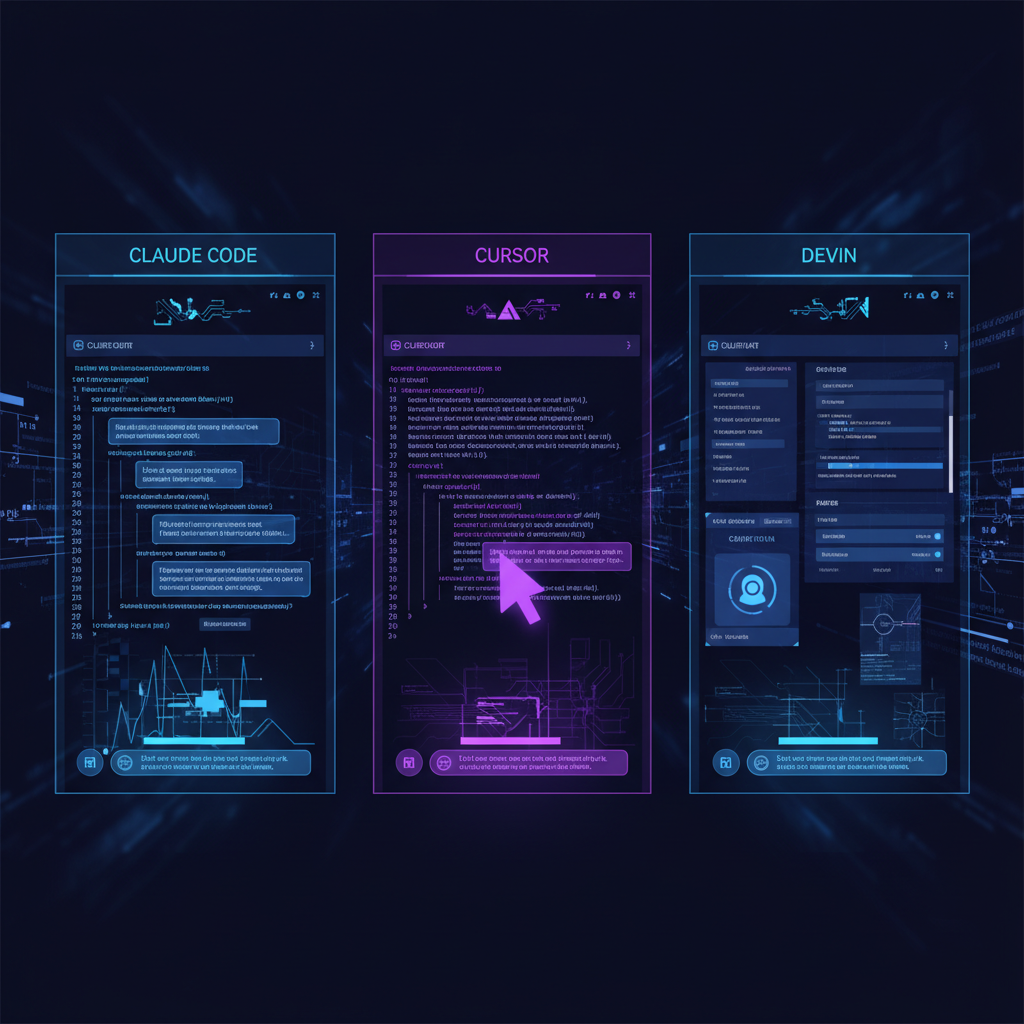
AI Coding Agents 2026: The State of Play — CLI, IDE, and Cloud Agents Compared
AI coding agents in 2026 converged on three form factors using repo memory files (CLAUDE.md, AGENTS.md, GEMINI.md) for context engineering. Sub-agents, Windsurf codemaps, Cursor Automations are key. Background agents monitor events; tool use includes Git, shell, test runners. Claude Code had a 7-hour extraction with 99.9% accuracy. Devin provides per-agent VMs. Copilot uses Claude/Codex backends. Gemini CLI offers free models; open-source Aider, Cline, OpenCode widely used. Skill: orchestrati...
-
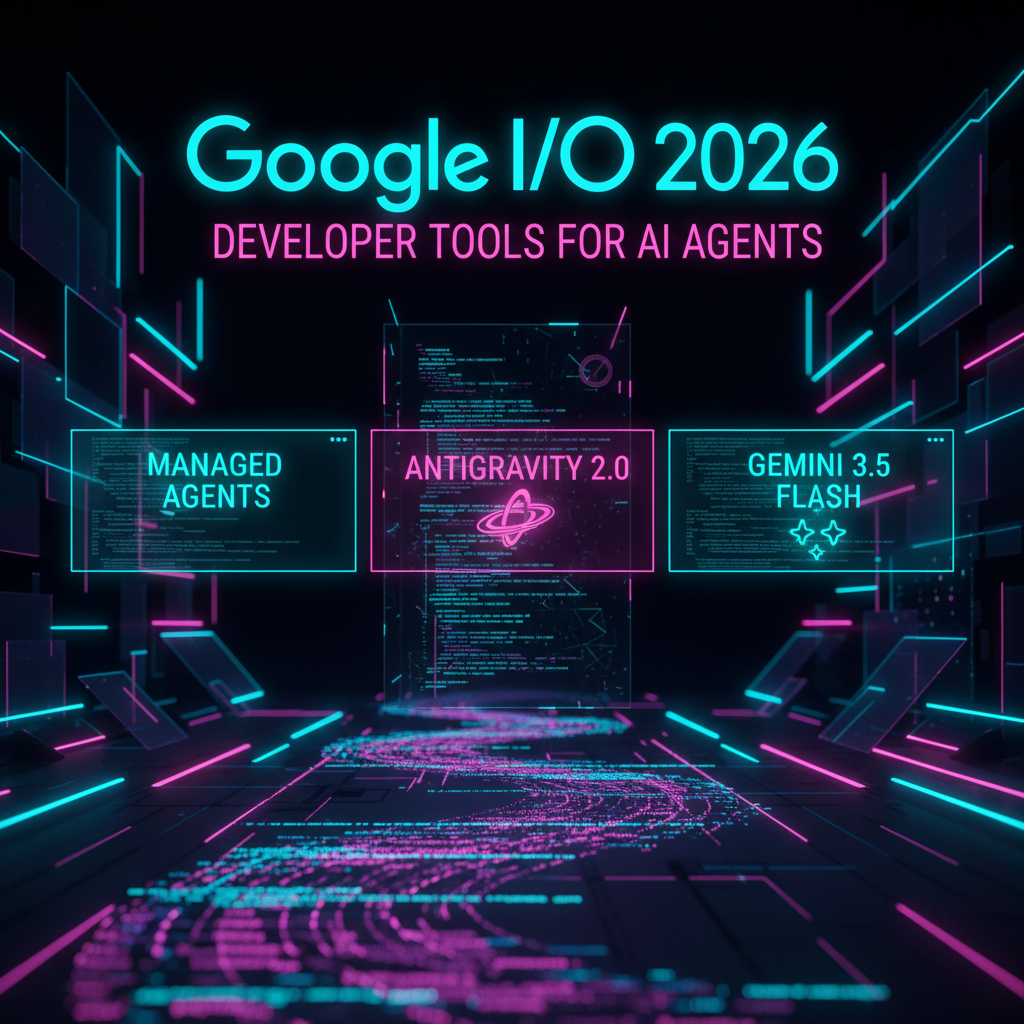
Google I/O 2026: Managed Agents, Antigravity 2.0, and What Developers Need to Know
Google I/O 2026 launched Managed Agents (persistent Linux sandboxes, markdown-defined skills with tool scopes like read-only), Antigravity 2.0 (parallel orchestration, scheduled tasks, Firebase integration), and Gemini 3.5 Flash (4x faster, default model). Preview started May 19 via Gemini API and Google AI Studio. Enterprise private preview available. $100 Ultra plan includes 5x limits. XPRIZE Hackathon and Antigravity CLI for CI/CD are also new.
-
AI Agent Observability in Production: The Complete Guide for 2026
Traditional monitoring misses AI agent failures: wrong database queries, token loops, cascading hallucinations. Five signals matter: tool accuracy, task completion, loop detection, cost per output, hallucination rate. Observability stack: OpenTelemetry with AI conventions, trace stores (rule-of-thumb: Arize Phoenix open-source, LangSmith for LangChain, Galileo for compliance), decision graphs auto-detect loops. Semantic evaluation via LLM-as-judge (Luna-2) beats prompt success. CI/CD runs eva...
-
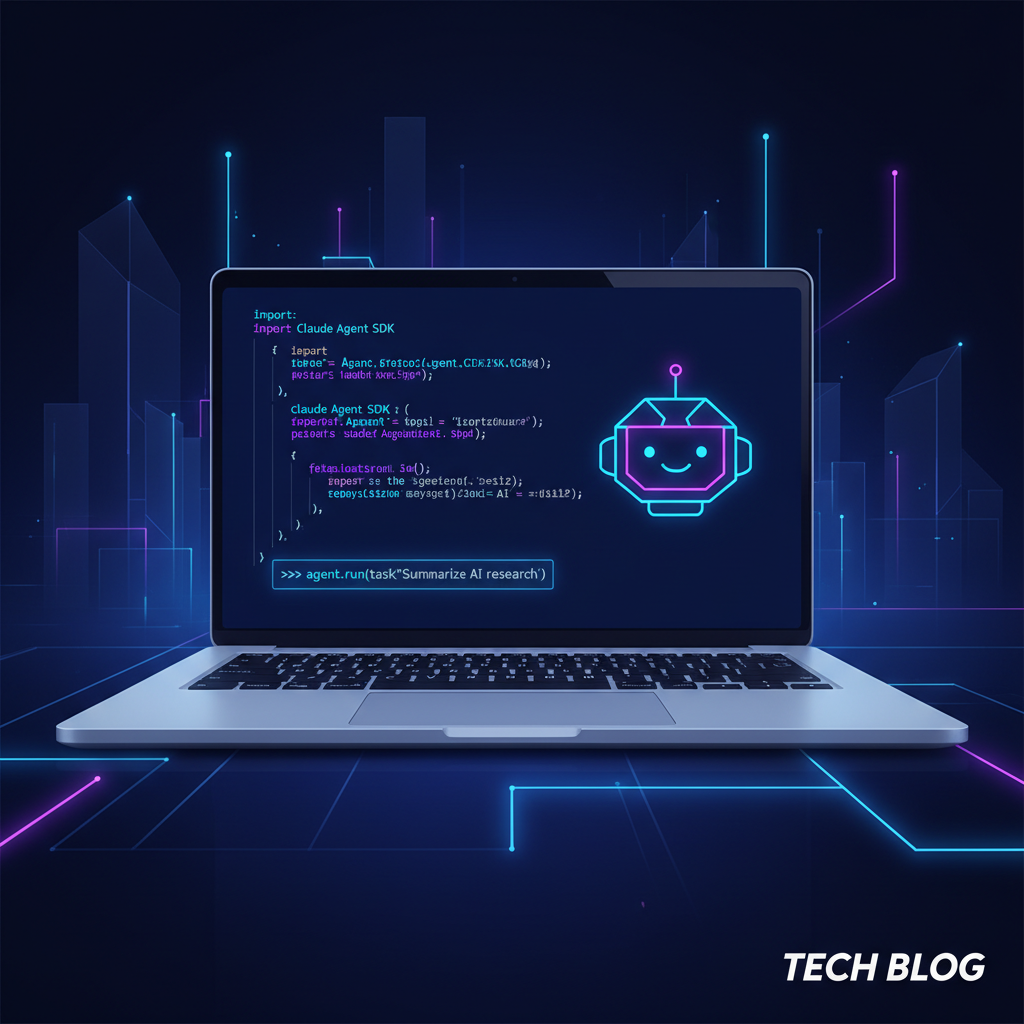
Building Your First AI Agent with the Claude Agent SDK: A Step-by-Step Tutorial
The Claude Agent SDK provides `ClaudeSDKClient` for stateful sessions, returning `ResultMessage`. Configuration includes `permission_mode="acceptEdits"`, `max_turns=20`, tool whitelisting like `["Read"]`. External MCP servers include SerpApi (HTTP) and filesystem (`npx -y @modelcontextprotocol/server-filesystem`). The built-in `WebSearch` is slow (~85s) for complex queries; use dedicated MCP. Hooks (`PreToolUse`, `PostToolUse`, `Stop`, `PreCompact`) implement guardrails: `enforce_read_only` b...
-
AI Agent Governance in 2026: Why Your Production Agents Need Runtime Controls
LangChain's 2026 report: 57% agents in production; prompt safety fails 26.67% in red-team tests. Microsoft's AGT (MIT, April 2) enforces YAML/OPA/Rego policies at 0.012ms p50, 35k ops/sec, with zero-trust identity (Ed25519, ML-DSA-65, IATP trust scoring across five tiers), four privilege rings, saga orchestration, and a kill switch. Framework-agnostic integrations (LangGraph, CrewAI, etc.), MCP Security Gateway, OWASP Top 10 mapping, 9,500+ tests, ClusterFuzzLite fuzzing, SLSA provenance. Com...
-
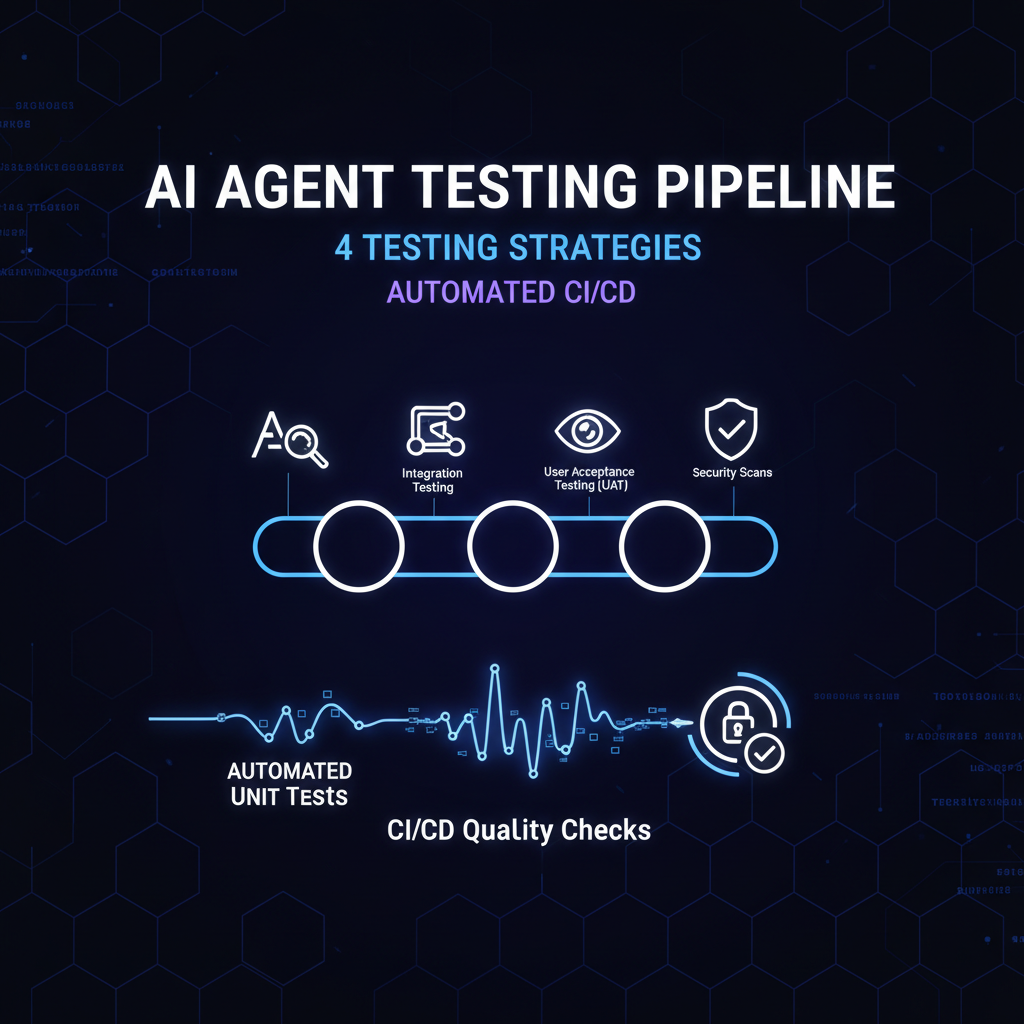
Testing AI Agents in Production: 4 Practical Strategies for Reliable Agent Pipelines
Four proven testing strategies for AI agents in production: unit tests with mocked LLMs, integration testing of agent workflows, LLM-as-judge evaluation, and CI/CD pipelines that catch regressions before deployment.
-
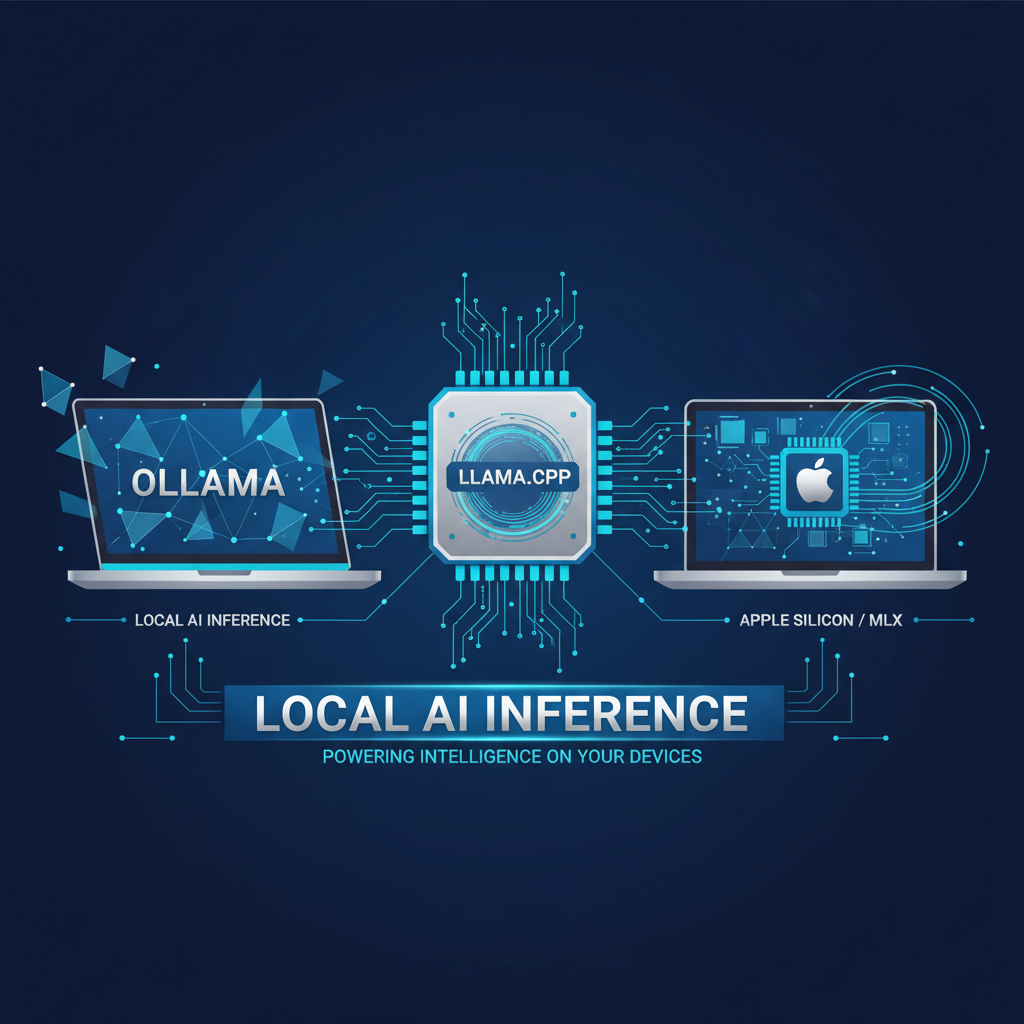
Ollama vs llama.cpp vs MLX: Running LLMs Locally on Edge Devices in 2026
A practical comparison of the three dominant local LLM inference engines — Ollama, llama.cpp, and Apple's MLX — with real installation workflows, performance characteristics, and a decision framework for choosing the right one for your edge deployment.
-
Vector Database Benchmark 2026: Pinecone vs Qdrant vs Weaviate vs pgvector
Practical comparison of four vector database options — Pinecone, Qdrant, Weaviate, and pgvector — with real installation commands, query patterns, and a decision framework for choosing the right one for your RAG pipeline.
-
A2A Protocol 2026: A Practical Guide to Google's Agent-to-Agent Standard
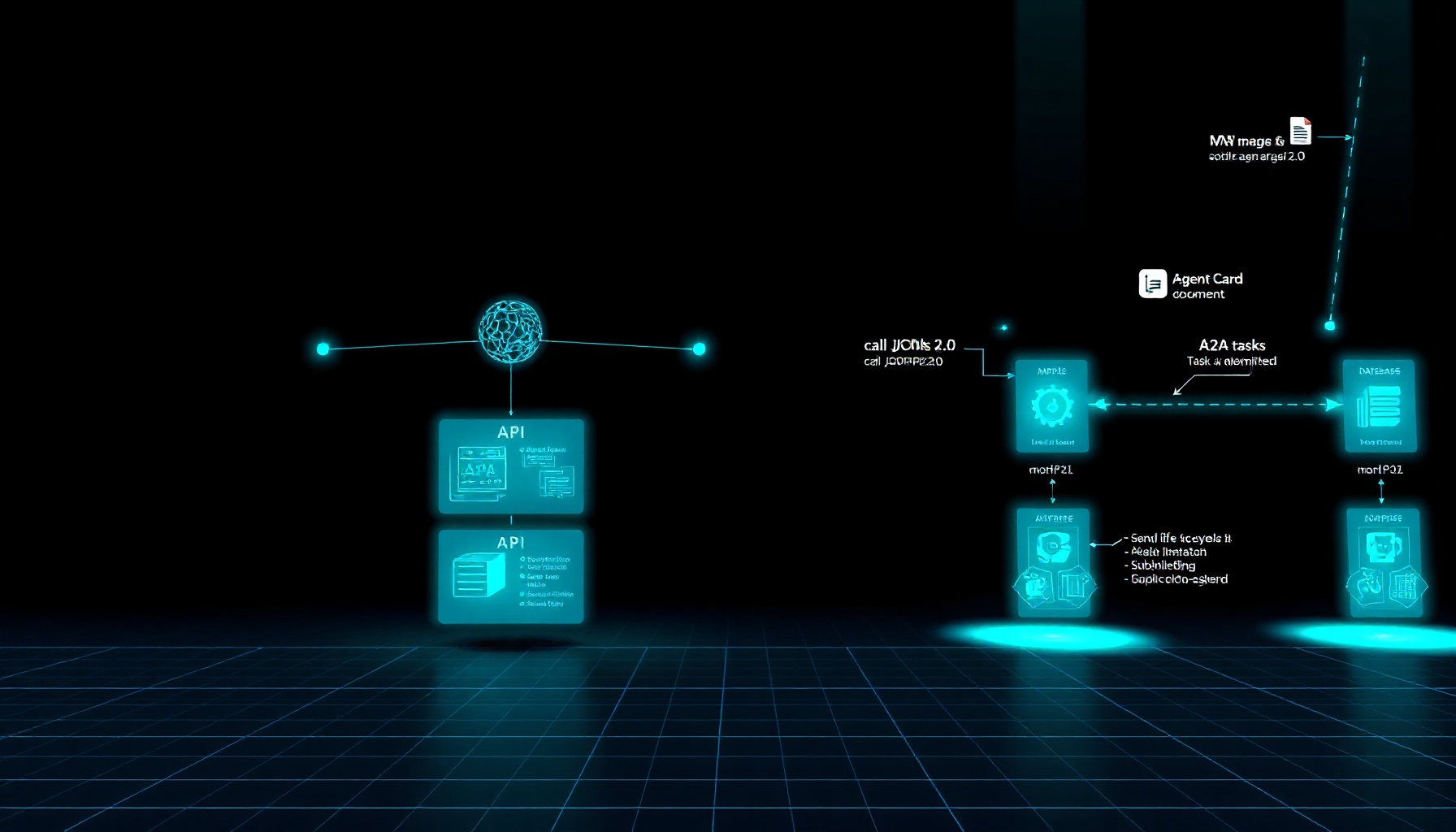
Hands-on guide to Google's Agent-to-Agent (A2A) protocol with Python SDK setup, Agent Card configuration, task lifecycle management, and enterprise adoption data from 150+ organizations.
-
AI-Powered SOC in 2026: Building Autonomous Threat Detection Pipelines
Production-tested patterns for building AI-powered SOC pipelines: multi-layer autonomous triage, MITRE-mapped detection agents, risk-scored automated response, and self-healing alert queues. With 4 deployable templates.
-
DeepSeek R1 vs Llama 4 vs Qwen 3: Choosing Your Open-Source LLM Stack in 2026
Benchmark-driven comparison of the three dominant open-source LLM families — DeepSeek, Llama 4, and Qwen 3 — with cost-per-token analysis, self-hosting requirements, and a decision framework for production deployment.
-
Self-Healing CI/CD: 4 Agent-Driven Automation Patterns for Production in 2026
Production-tested patterns for building self-healing deployment pipelines — risk-scored PR gates, statistical regression detection, automated rollback agents, and post-deploy monitoring loops. With copy-paste templates for each pattern.
-
5 AI Agent Debugging Patterns for Production in 2026
5 deployable AI agent debugging patterns for production systems in 2026: structured validation, checkpoint recovery, retry orchestration, trace-based root cause analysis, and output verification. Includes working code templates.
-
Mem0 vs Zep vs LangMem vs Letta: AI Agent Memory Showdown 2026
Head-to-head comparison of the 4 leading AI agent memory solutions in 2026 — with benchmark data, pricing analysis, 5 deployable integration templates, and a decision framework for choosing the right one.
-
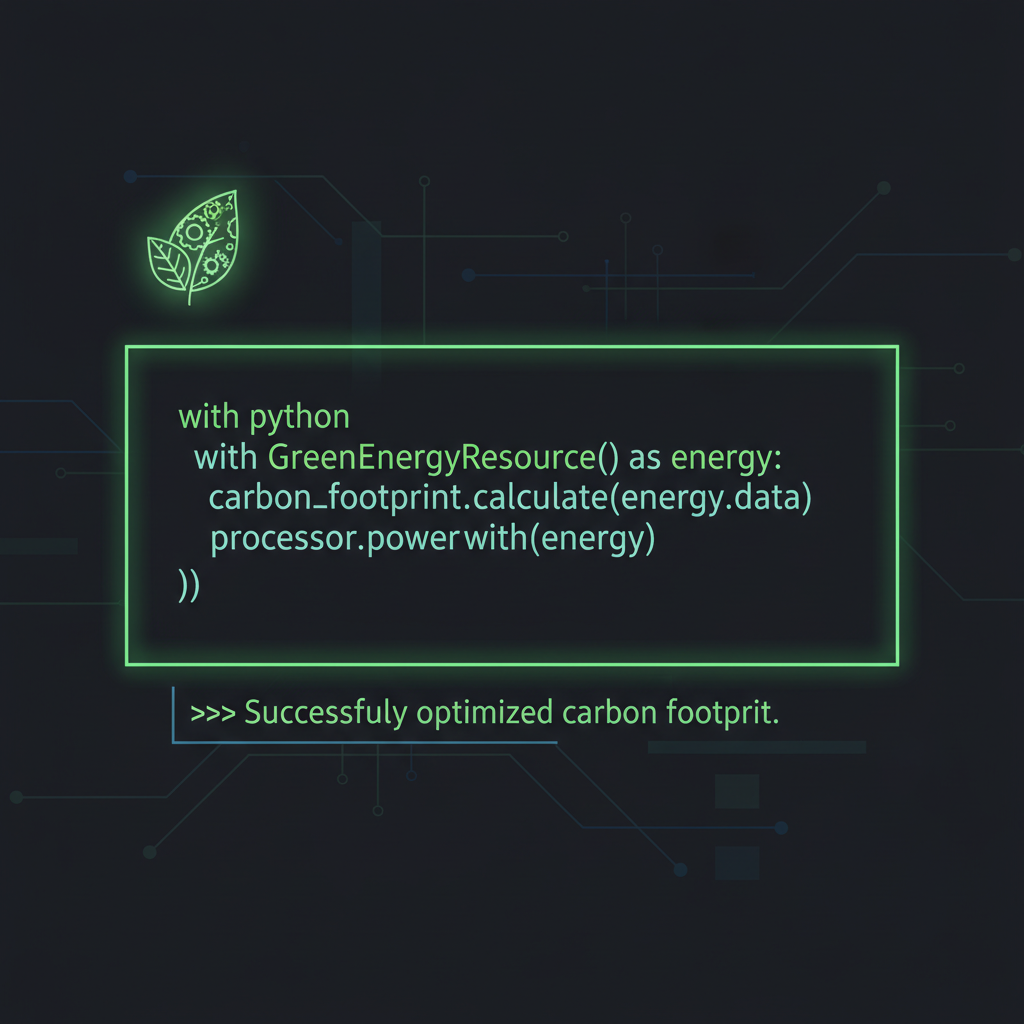
Python Context Managers in Production: ExitStack, Async, and Testing Patterns
Production-ready context manager patterns beyond basic with statements — ExitStack composition, async cleanup, and pytest fixture integration with real code templates.
-
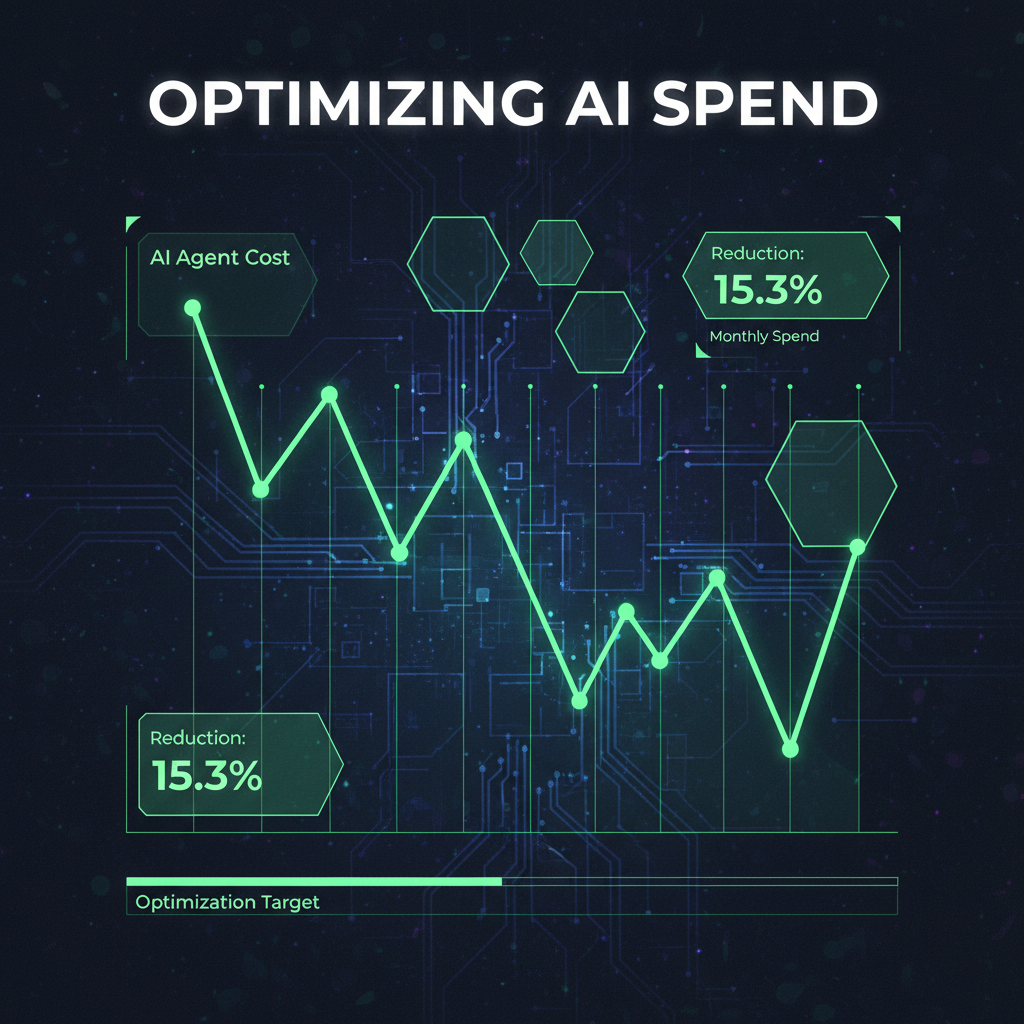
AI Agent Cost Optimization: Cut Token Spend 60% With These 4 Strategies
Multi-model routing, semantic caching, memory optimization — slash AI agent costs 47-80% in production. Working templates for every strategy.
-
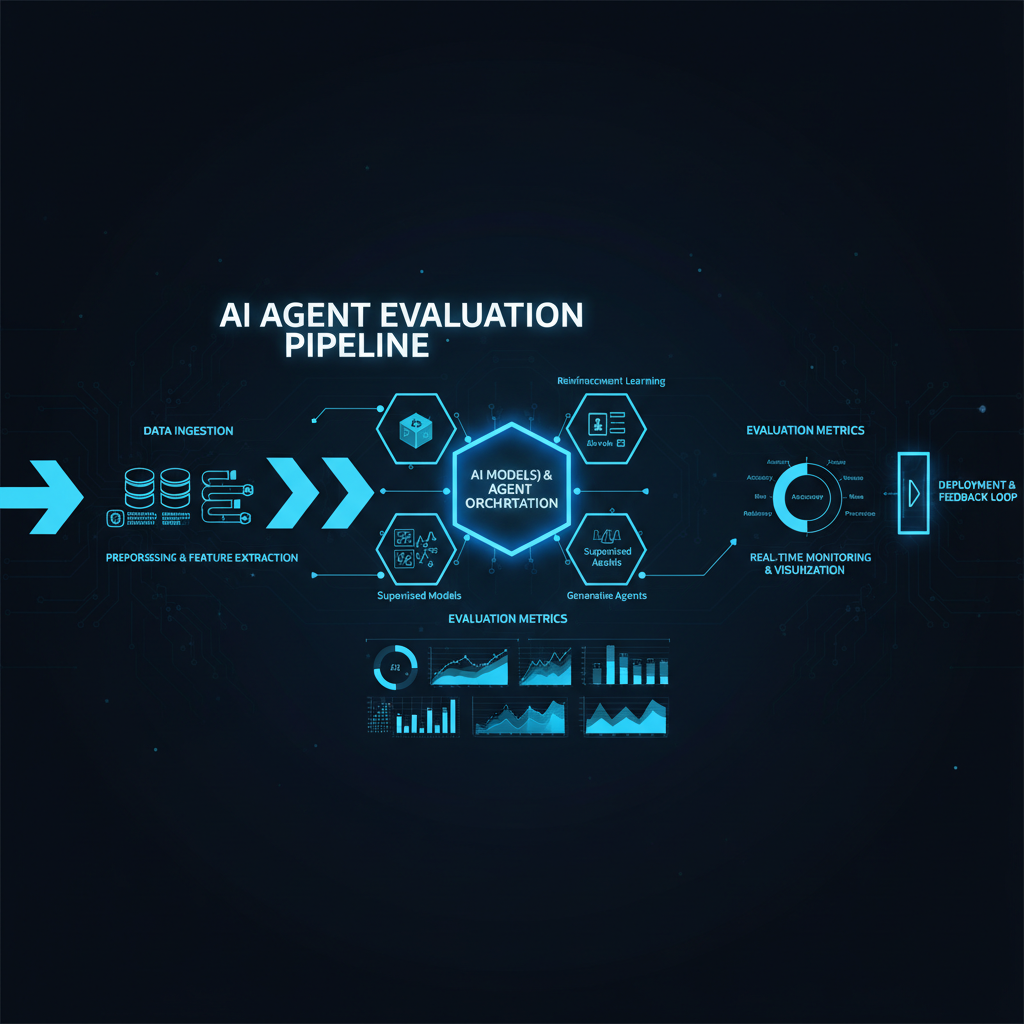
How I Built an Agent Eval Harness: Lessons from 500 Runs
A build log of creating a production-grade AI agent evaluation pipeline: what broke, what counted, and the 3-layer harness template you can deploy today.
-
Structured Outputs from LLMs: 5 Patterns for Reliable JSON with Pydantic Templates
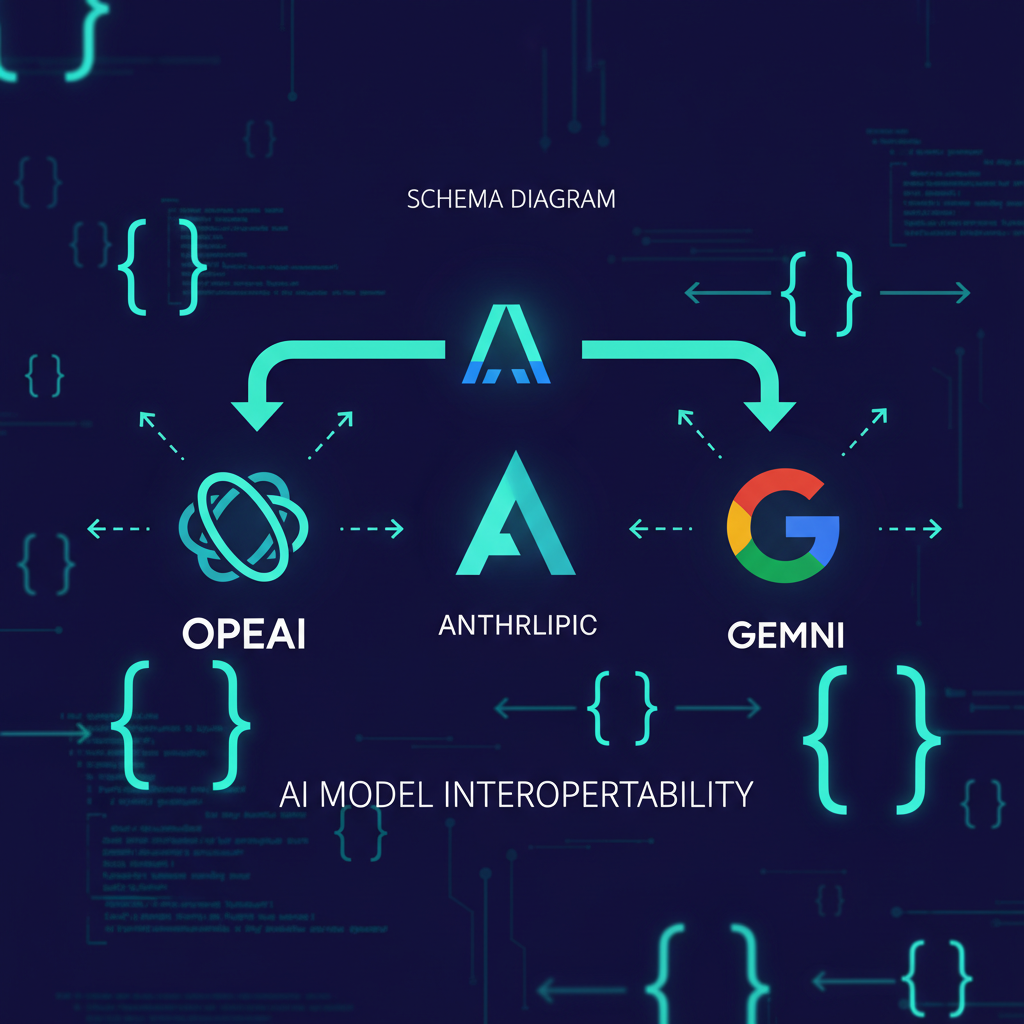
5 deployable patterns for guaranteed JSON schema compliance from LLMs — with working Pydantic templates, retry logic, and a decision framework for choosing between OpenAI, Anthropic, and Gemini structured outputs.
-
AI Agent Hallucination Prevention: Cut Errors 68% with These 5 Techniques
Stop AI agents from making things up in production. Grounded RAG, self-verification, guardrails — copy-paste templates for each strategy.
-
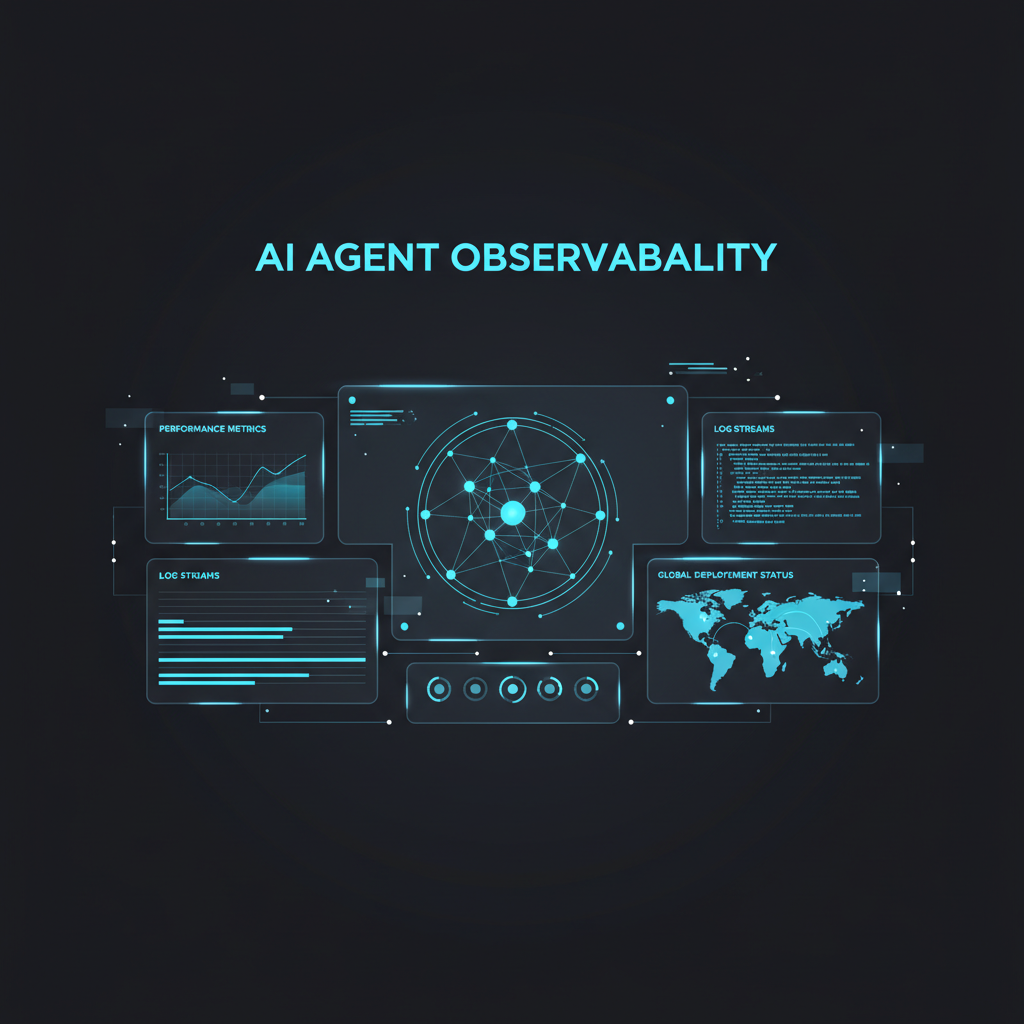
AI Agent Observability in 2026: Monitor, Trace & Debug Agents in Production
Complete guide to monitoring AI agents in production — traces that follow multi-step reasoning, evals that catch regressions, and a copy-paste stack that detects failures before users do.
-
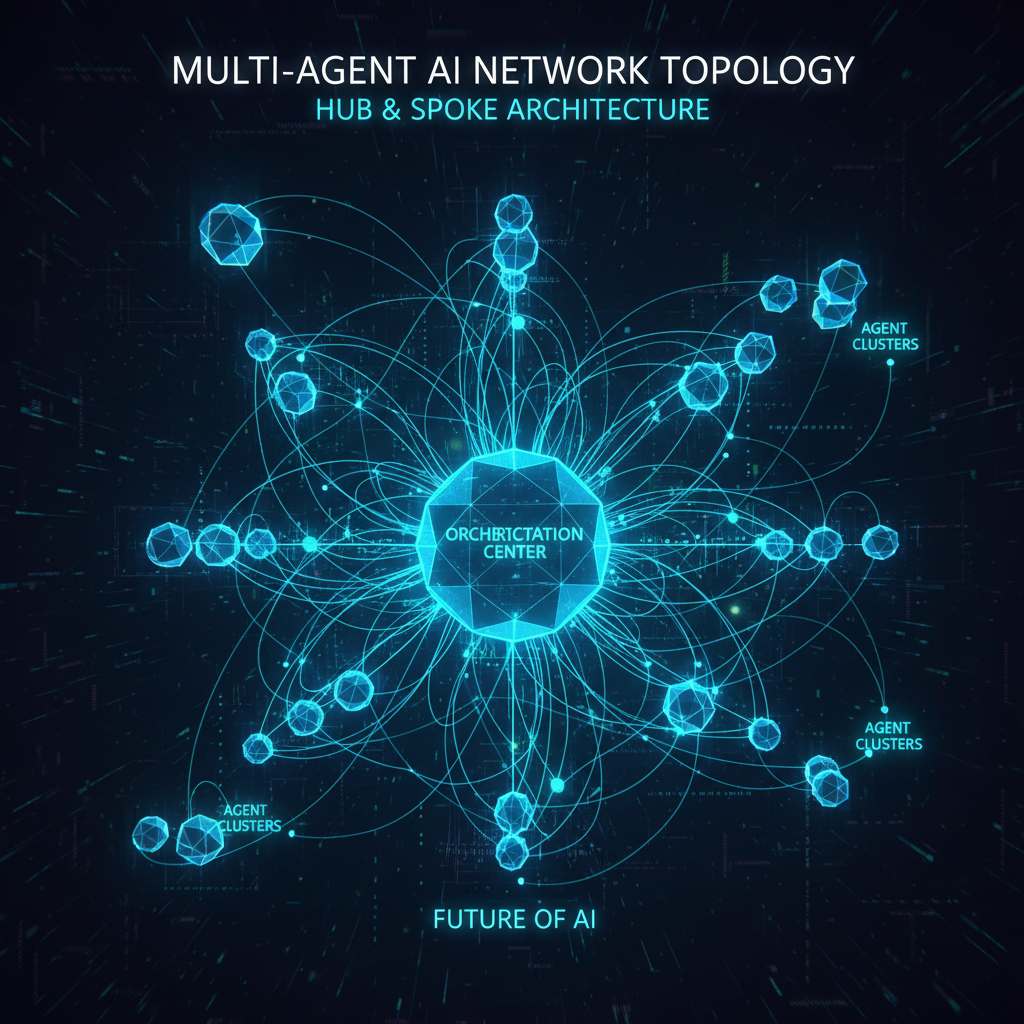
Multi-Agent Systems News 2026: Orchestration Patterns That Survived Production
Multi-agent orchestration news for May 2026 — peer-collaboration failed in production. Only 3 patterns survived: agent-flow, orchestration, and bounded collaboration. What teams learned from $75K/day mistakes.
-
Start an AI Agent Startup in 2026: The Complete Playbook
Start an AI agent startup in 2026 with this complete playbook: 5-step framework, funding data, and go-to-market strategies used by top agent startups.
-
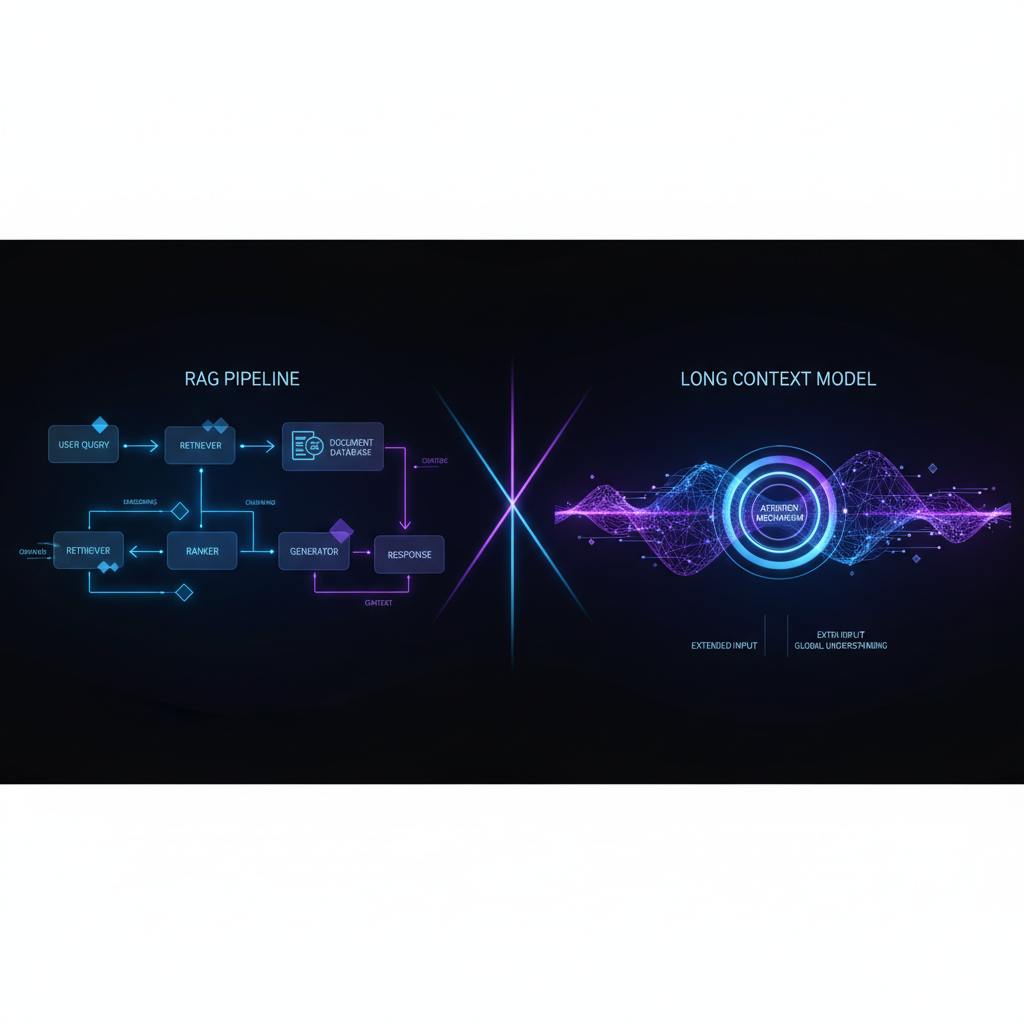
LLM Context in 2026: Long Context vs RAG Decision Guide
Long context windows hit 1M tokens in 2026 but 40% of facts slip through. A practical guide to when RAG wins, when long context wins, and the hybrid routing strategy.
-
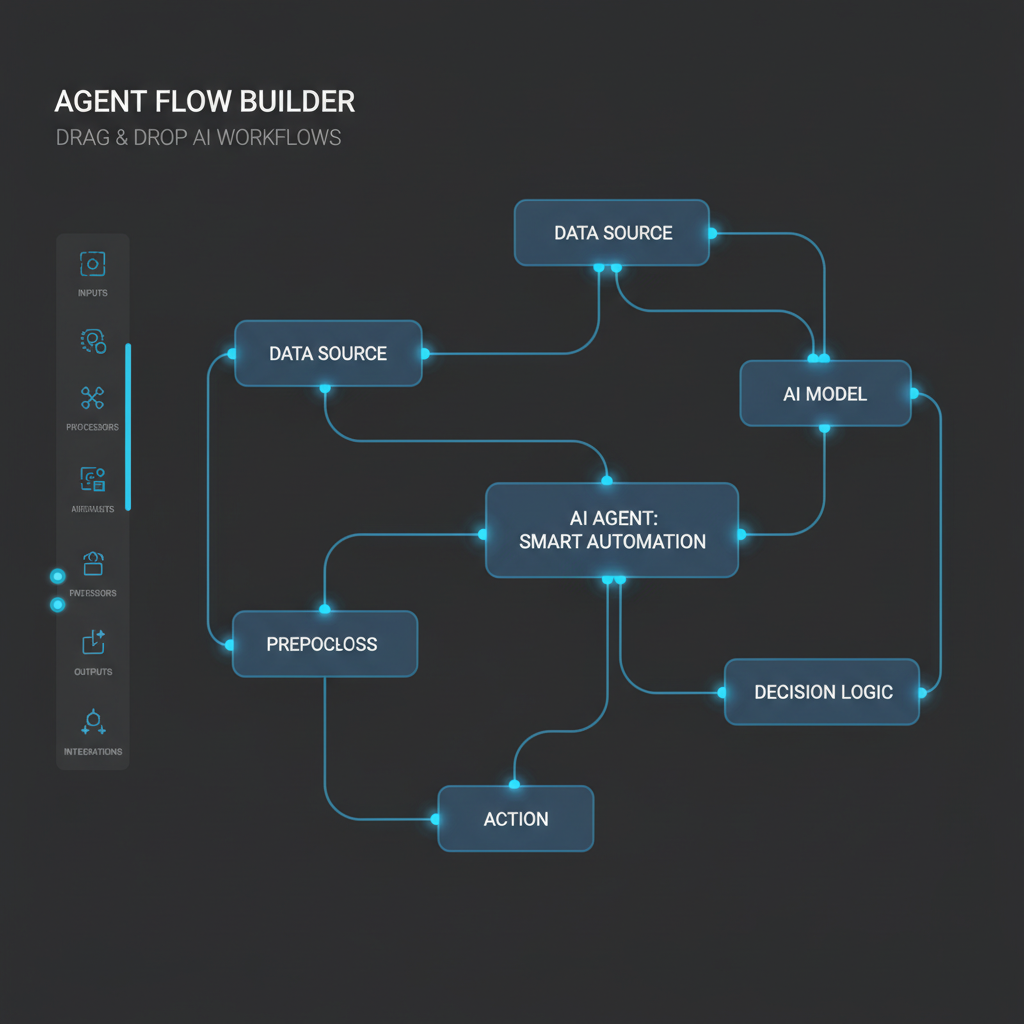
How to Build AI Agents Without Code in 2026
Learn how to build AI agents without code in 2026 — a complete guide to no-code AI agent platforms, workflow automation tools, and production deployment templates.
-
AI Agents in Cybersecurity 2026: 5 Real-World Use Cases Reshaping SOC
From threat hunting to incident response — see how 5 enterprises deploy AI agents in production SOCs. Real tools, real workflows, real results.
-
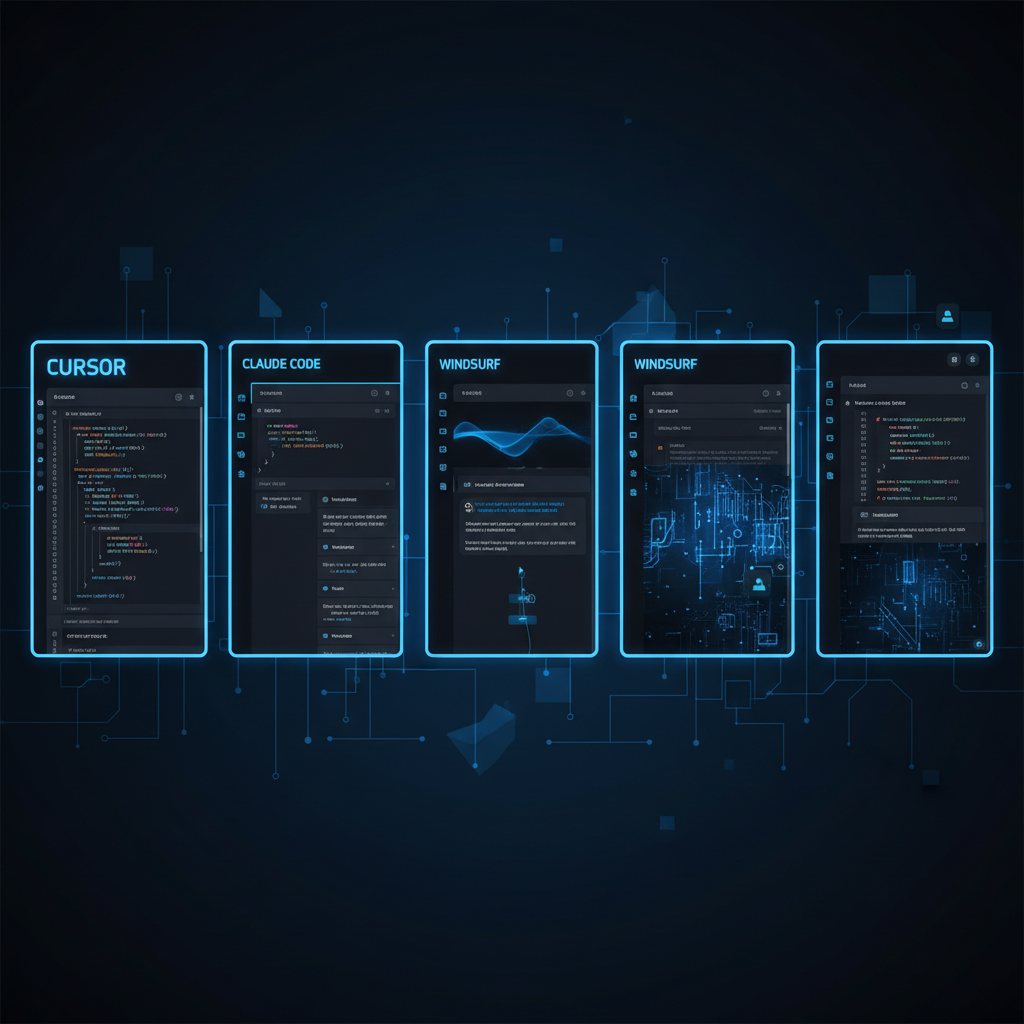
AI Code Editors in 2026: 5 Tools That Actually Matter
Compare Cursor, Claude Code, GitHub Copilot, Windsurf, and Aider — with real pricing, benchmarks, and a decision framework to pick the right AI code editor for your team.
-
MCP in Production: 5 Integration Patterns for AI Agents in 2026
Learn 5 proven MCP integration patterns for production AI agents — from local tool servers to multi-agent mesh networks. Includes copy-paste templates and a decision framework.
-
AI Agent Guardrails: 5 Patterns That Stop Silent Failures in Production
Most AI agents fail silently — hard stops, eval gates, and circuit breakers catch failures before they cost you production uptime. Deployable patterns with code.
-
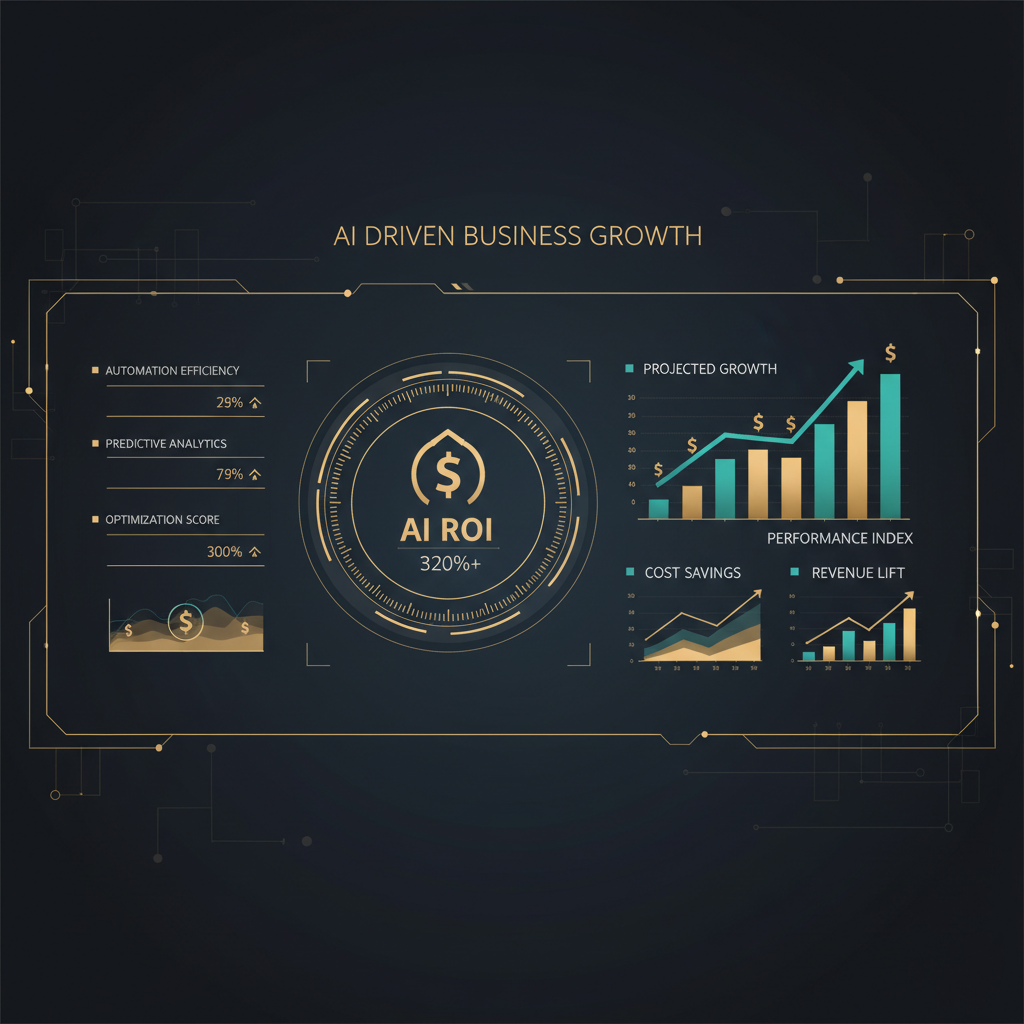
AI Agent ROI in 2026: Real Numbers — Payback in 6.7 Months, 4.1x ROAS by Dept
Enterprise AI agent ROI by the numbers: customer service pays back in 4.1 months, engineering takes 9.3. Backed by McKinsey, Gartner, and Forrester benchmarks.
-
Context Engineering 2026: 5 Prompt Patterns That Work
Prompt engineering is dead. Context engineering replaced it. Here are 5 production-tested patterns with copy-paste templates — backed by benchmarks (+46% reasoning, 53% lower cost).
-
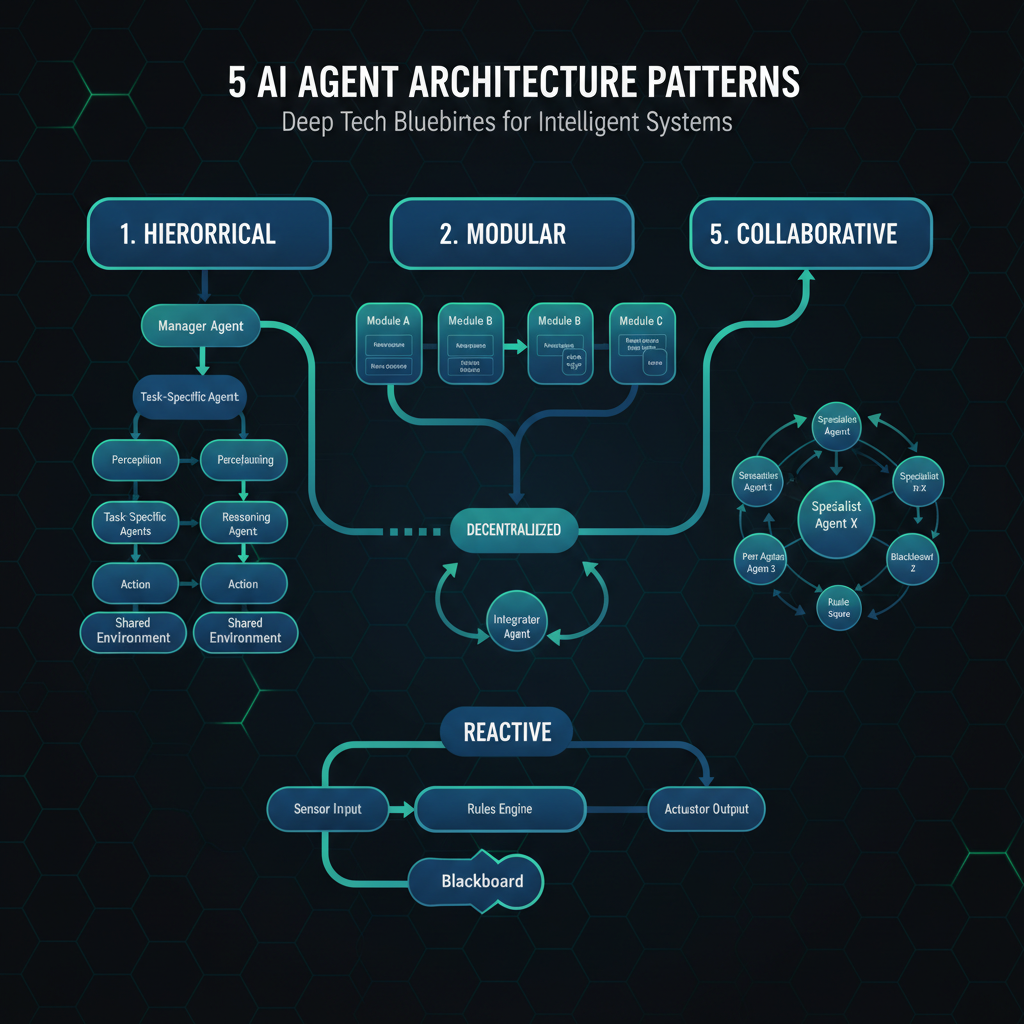
Agent Architectures 2026: 5 Patterns That Actually Work
From ReAct loops to Multi-Agent swarms — which AI agent architecture patterns survive production? A practical guide to 5 essential design patterns in 2026 with real tradeoffs and code examples.
-
AI Coding Productivity: Ship Faster in 2026
AI coding tools promise 55% faster development, yet many teams see zero gains. Learn why and how to ship faster in 2026.
-
LangGraph vs CrewAI vs OpenAI SDK: The 2026 Verdict
Comparing LangGraph, CrewAI, and OpenAI SDK for production AI agents in 2026. Real benchmarks, pricing, and migration paths to pick the right framework first.
-
How I Built This Blog with an AI Agent (No Manual Setup)
A step-by-step walkthrough of building a production-ready tech blog using Hermes Agent and Astro — zero manual file editing.